A muchas personas mayores les atrae la idea de tener un perro. Un compañero de cuatro patas puede llenar el hogar de calidez, rutina y alegría auténtica. Ya seas una persona jubilada que vive sola, una pareja de personas mayores en un departamento pequeño o un cuidador que ayuda a un padre o madre mayor a tomar esta decisión, elegir el perro adecuado puede marcar una gran diferencia.
Este artículo está pensado para responder precisamente a esas preguntas. Al terminar, podrás:
- Elige el perro adecuado según tus necesidades reales y tu estilo de vida
- Compara las mejores razas de perros para personas mayores según su tamaño, temperamento y necesidades de cuidado
- Comprender los factores relacionados con el aseo, el ejercicio y los gastos continuos
- Toma una decisión con confianza, seguridad y bien informada
¿Qué hace que un perro sea adecuado para personas mayores?
Antes de analizar razas concretas, conviene comprender qué cualidades hacen que un perro sea una buena opción para una persona mayor. Los mejores perros de compañía para personas mayores comparten una serie de características fundamentales, pero la compatibilidad con el estilo de vida es tan importante como los rasgos de la raza.
Características ideales
- Temperamento tranquilo y dócil que no se asusta fácilmente
- De tamaño pequeño a mediano, más fácil de manejar, levantar si es necesario y controlar con correa
- Necesidades de ejercicio de intensidad baja a moderada que se adapten al nivel de actividad de las personas mayores
- Fácil de adiestrar, sobre todo en lo que respecta a las órdenes básicas y las rutinas domésticas
- Requiere cuidados mínimos que no exigen visitas semanales al peluquero
Lo más importante es llevar un estilo de vida saludable
La situación de cada persona mayor es diferente. Los perros recomendados para personas mayores en un hogar pueden no ser adecuados para otro. Antes de elegir una raza, ten en cuenta lo siguiente:
- Vivir en un departamento frente a vivir en una casa: algunas razas se adaptan mejor a los espacios más pequeños
- Nivel de movilidad: ¿puedes cuidar a un perro que tira de la correa o que necesita dar largos paseos?
- Presupuesto: ¿Puedes hacer frente a los gastos de atención veterinaria rutinaria, peluquería, alimentación y gastos médicos imprevistos?
- Sistema de apoyo: ¿Comparten los familiares o cuidadores la responsabilidad si tu estado de salud cambia?
Razas de perros pequeños para personas mayores
Los perros pequeños se encuentran entre las opciones más populares a la hora de buscar el mejor perro pequeño para personas mayores. Son fáciles de levantar en caso de emergencia, se controlan bien con la correa y, en general, se adaptan bien a la vida en un departamento o en una casa pequeña. A continuación, te presentamos las mejores razas de perros pequeños para personas mayores.
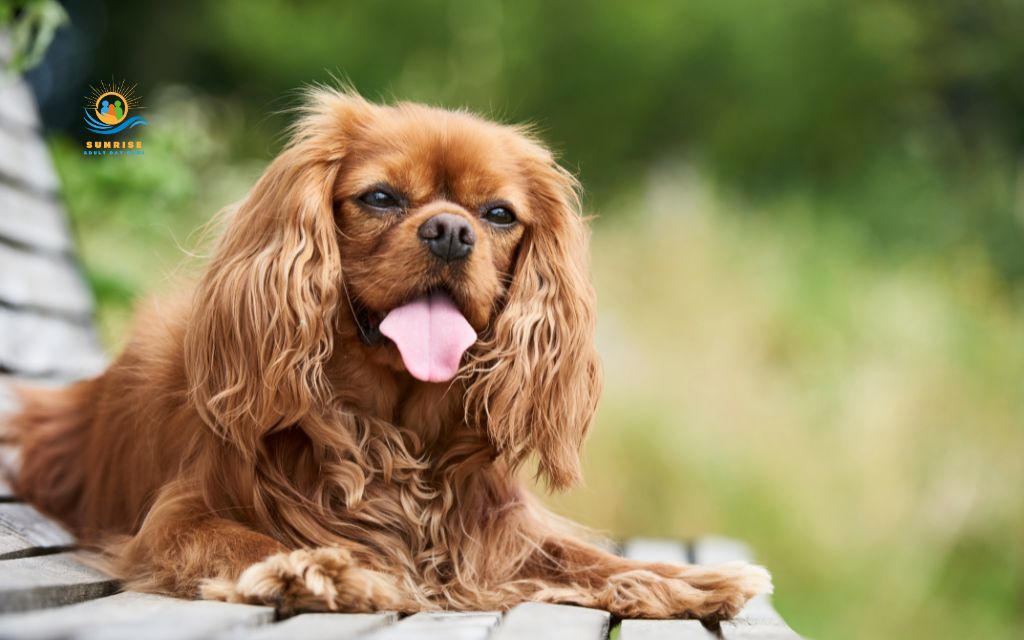
1. Cavalier King Charles Spaniel
El Cavalier King Charles Spaniel figura constantemente entre las razas más recomendadas para personas mayores. Esta raza es de naturaleza tranquila, muy cariñosa y se siente más feliz cuando está acurrucada junto a su dueño.
Se adaptan bien tanto a casas como a departamentos, solo necesitan paseos diarios moderados y son lo suficientemente dóciles como para que las personas mayores con movilidad reducida puedan cuidarlos. Su pelaje de longitud media necesita un cepillado regular, pero no requieren cuidados profesionales frecuentes.
Los cavaliers son considerados por muchos como una de las mejores razas de perros de compañía para las personas mayores que buscan una presencia leal y cariñosa en casa.
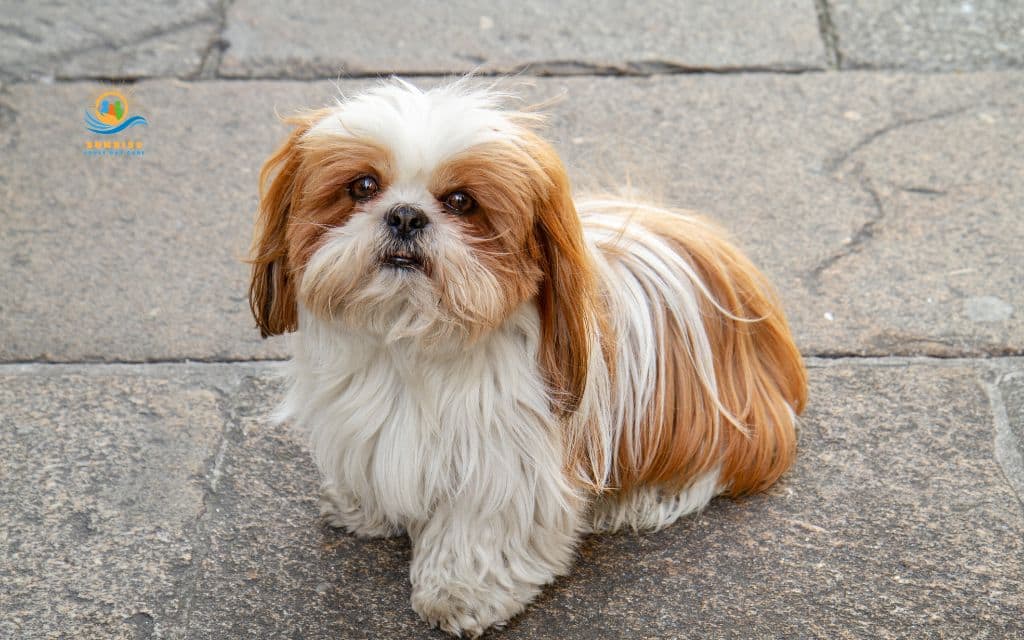
2. Shih Tzu
El Shih Tzu fue criado específicamente para ser un animal de compañía en el hogar, lo que lo convierte en la opción ideal para personas mayores que viven en departamentos o residencias para jubilados. Estos perros son amigables, cariñosos y se conforman con paseos diarios cortos. No necesitan un patio. El aseo se puede simplificar manteniéndoles el pelaje bien corto.
Los shih tzu son sociables sin ser exigentes. Se encuentran sistemáticamente entre los 10 mejores perros para mujeres mayores que buscan un compañero cariñoso y fácil de cuidar.
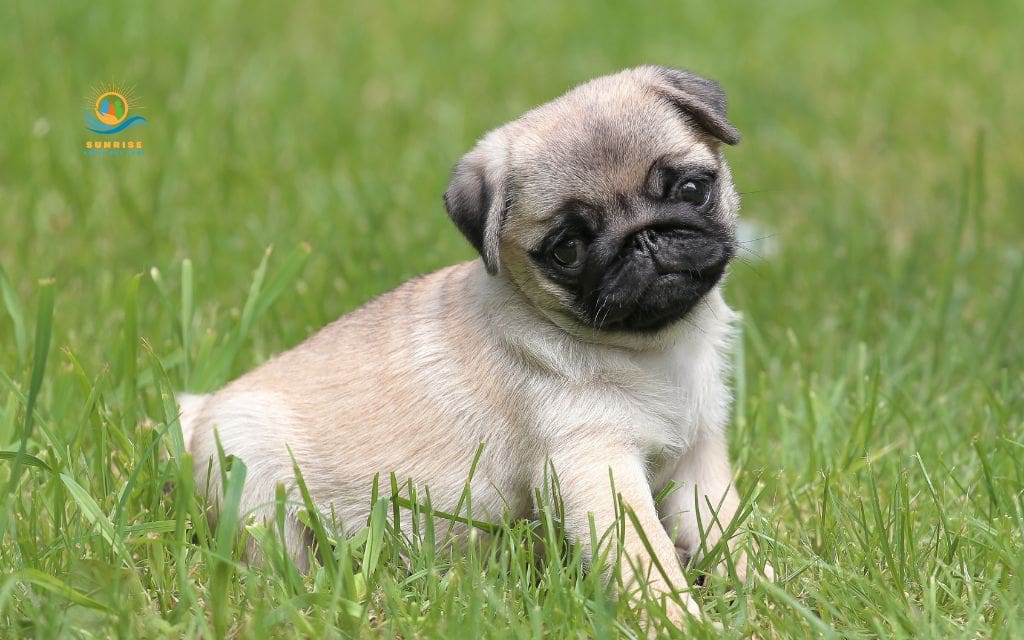
3. Pug
Los carlinos son juguetones, pero nunca agotan. Disfrutan de breves momentos de actividad seguidos de largos y placenteros períodos de descanso. Su pequeño tamaño hace que sean fáciles de manejar, y son cariñosos y divertidos por naturaleza.
Una cosa que hay que tener en cuenta: los pugs pueden tener problemas respiratorios debido a su hocico chato, por lo que hay que vigilarlos cuando hace calor o hay mucha humedad.
Las revisiones veterinarias periódicas son importantes para que se mantengan bien. Aun así, para las personas mayores que buscan un compañero alegre y que no requiera mucho ejercicio, los pugs son una excelente opción.
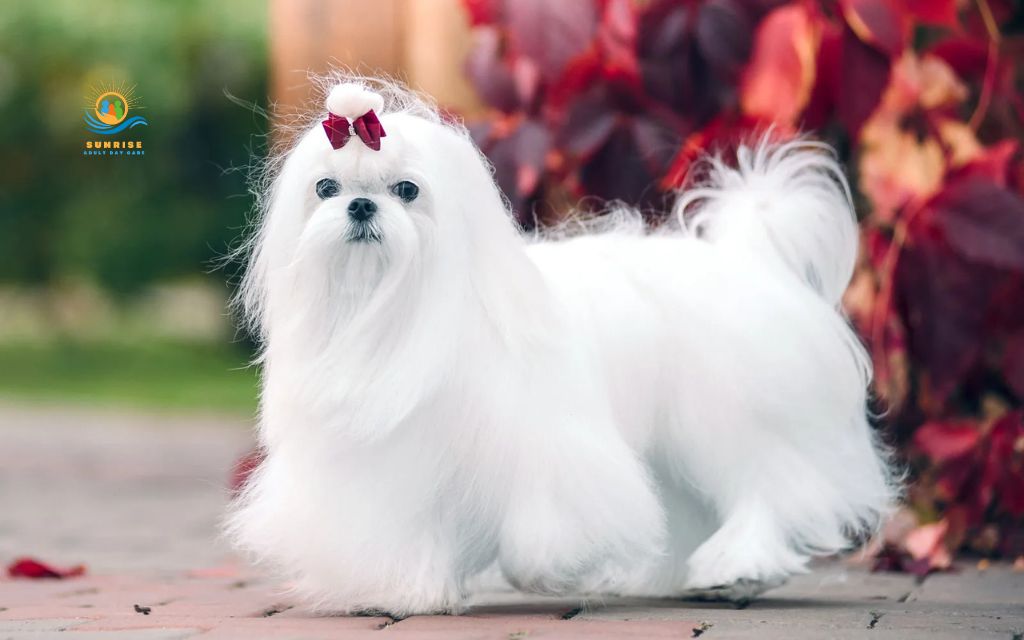
4. Maltés
Con un peso de entre 1,8 y 3,2 kg, el maltés es una de las razas más ligeras de esta lista, lo que lo convierte en la opción ideal para personas mayores que necesitan un perro que puedan levantar o cargar con seguridad.
A pesar de su pequeño tamaño, los perros malteses tienen una gran personalidad: son cariñosos, vivaces y sorprendentemente adaptables. Su largo pelaje blanco requiere un cepillado regular, aunque muchos dueños optan por un “corte de cachorro” más corto y fácil de mantener.”
El maltés es una opción muy popular entre quienes buscan el mejor perro pequeño para personas mayores que viven solas.
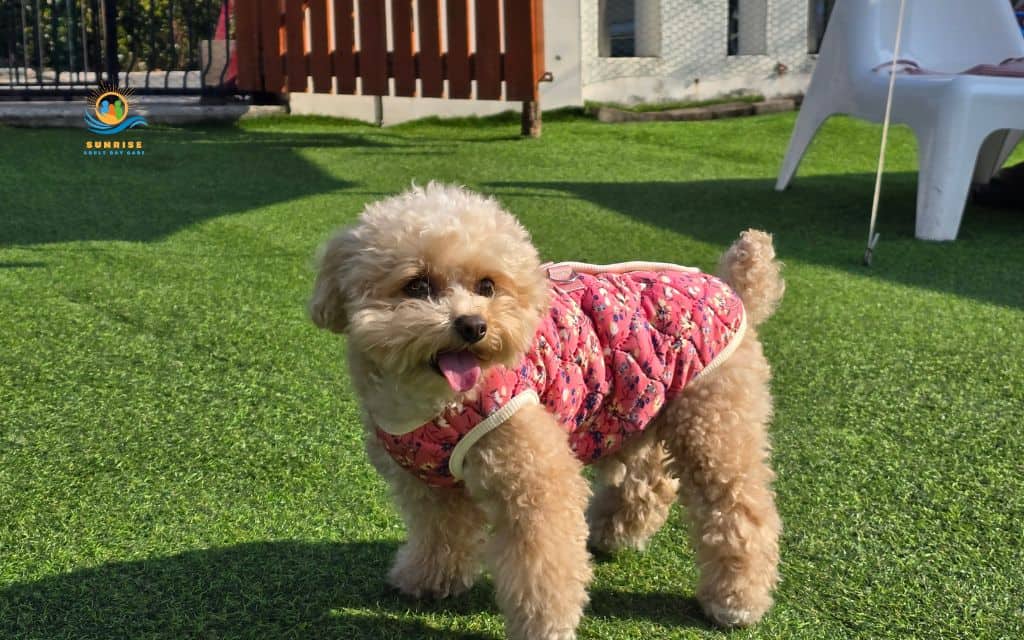
5. Caniche toy
El caniche toy es una de las razas de perros más inteligentes que existen, y esa inteligencia hace que su adiestramiento sea sencillo. Los caniches toy son hipoalergénicos (perden muy poco pelo), se adaptan fácilmente y son muy cariñosos. Su tamaño es manejable, su nivel de energía es moderado y se desarrollan mejor con una interacción amable y una rutina.
Para las personas mayores que buscan un perro dócil y fácil de adiestrar, el caniche toy figura sistemáticamente entre las razas de perro más recomendadas para la tercera edad.
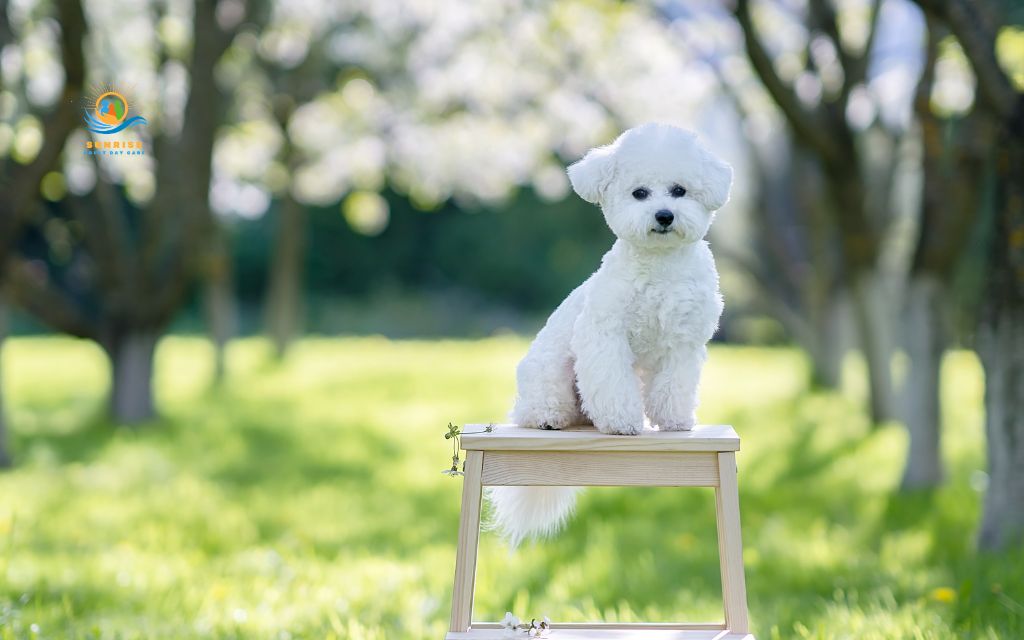
6. Bichón Frisé
El Bichón Frisé es un perro dócil, peludo y siempre alegre que aporta alegría a cualquier hogar. Son sociables sin ser pegajosos, lo que los convierte en la compañía ideal para personas mayores que disfrutan de la compañía sin sentirse abrumadas.
Su pelaje hipoalergénico requiere un aseo profesional periódico cada 4 a 6 semanas, lo cual hay que tener en cuenta a la hora de planificar el presupuesto. Los bichones son perros ideales para personas mayores que buscan un compañero amistoso y de carácter equilibrado que se adapte bien a una rutina diaria tranquila.
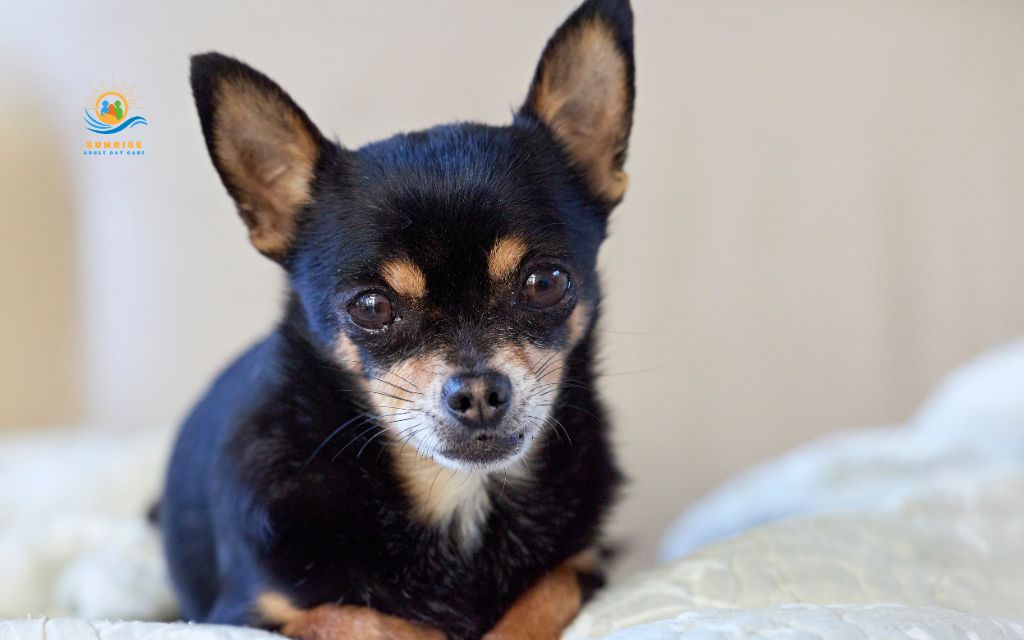
7. Chihuahua
El chihuahua es la raza de perro más pequeña reconocida en el mundo, y ese tamaño tan diminuto ofrece ventajas prácticas reales para las personas mayores. Son fáciles de transportar, requieren un mínimo de ejercicio y son tremendamente leales a su dueño.
Los chihuahuas pueden ser valientes y enérgicos a pesar de su tamaño, y se desarrollan mejor si se les trata con coherencia y paciencia. Son ideales para personas mayores que vivan solas o con una pareja que pueda brindarles la atención personalizada que estos perros prefieren.
8. Boloñesa
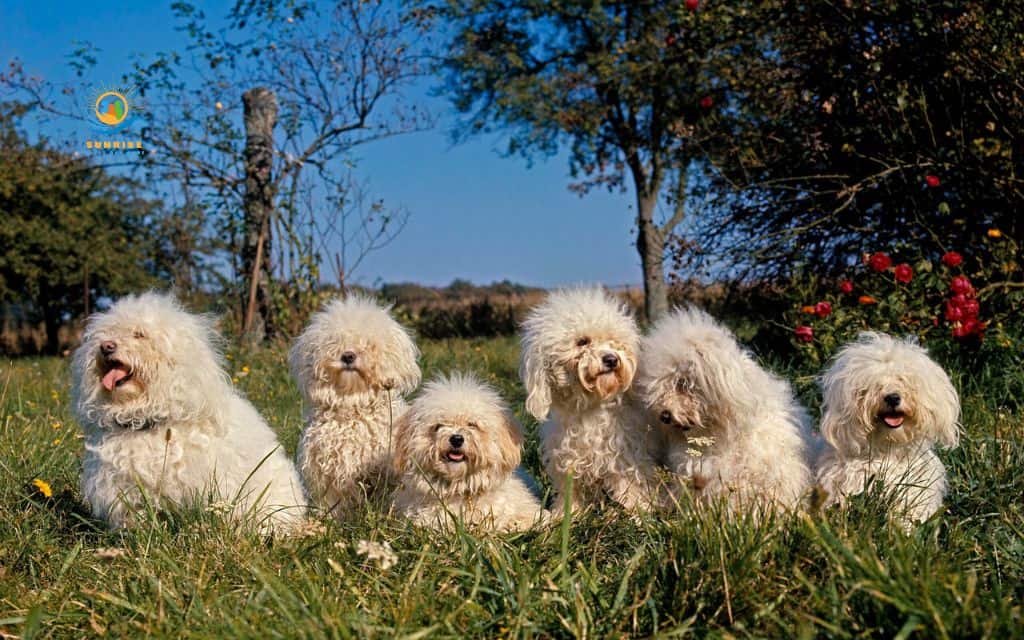
El boloñés es una raza poco conocida que merece mucha más atención en las listas de los mejores perros para personas mayores. Estos perros pequeños, blancos y que mudan poco pelo son tranquilos, muy cariñosos y se conforman con una vida tranquila en el interior. Crean un vínculo muy estrecho con sus dueños y son notablemente tranquilos. El boloñés requiere un cepillado moderado, pero rara vez necesita cuidados profesionales con tanta frecuencia como otras razas pequeñas.
9. Teckel
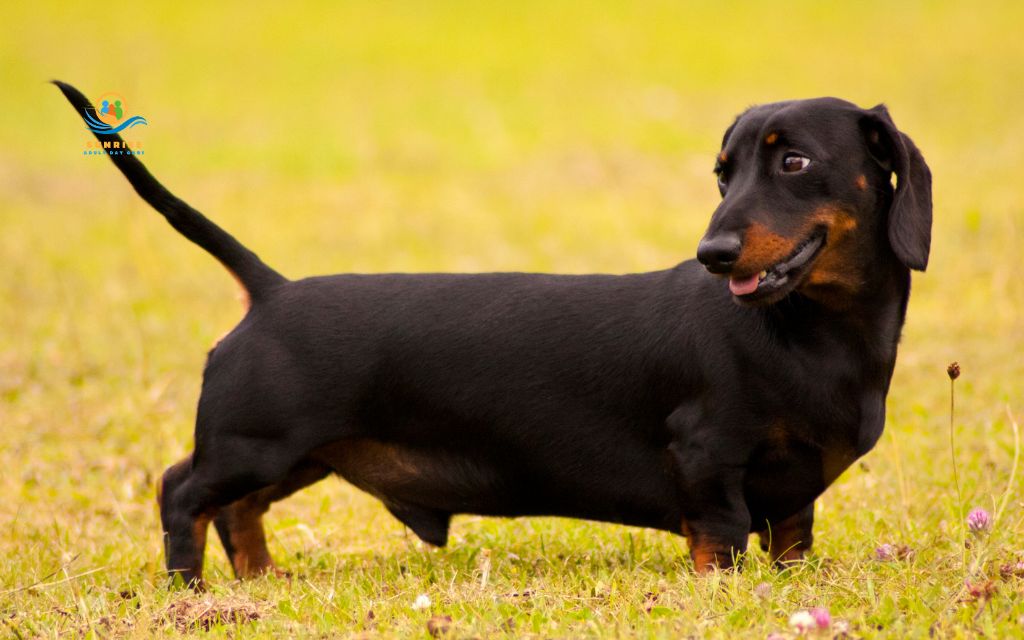
El dachshund es un perro pequeño leal, curioso y juguetón, con un característico cuerpo alargado. Le gustan los paseos diarios tranquilos y es muy cariñoso con su familia.
Una nota importante: debido a su espina dorsal alargada, los perros salchicha son propensos a sufrir lesiones en la espalda, por lo que se debe evitar que los perros mayores salten desde alturas o hagan esfuerzos excesivos durante los paseos. Tener a mano una rampa para que puedan subir a los muebles es una medida de precaución sencilla y eficaz.
Si se les trata con cariño, los perros salchicha son compañeros cariñosos y leales.
10. Havanese
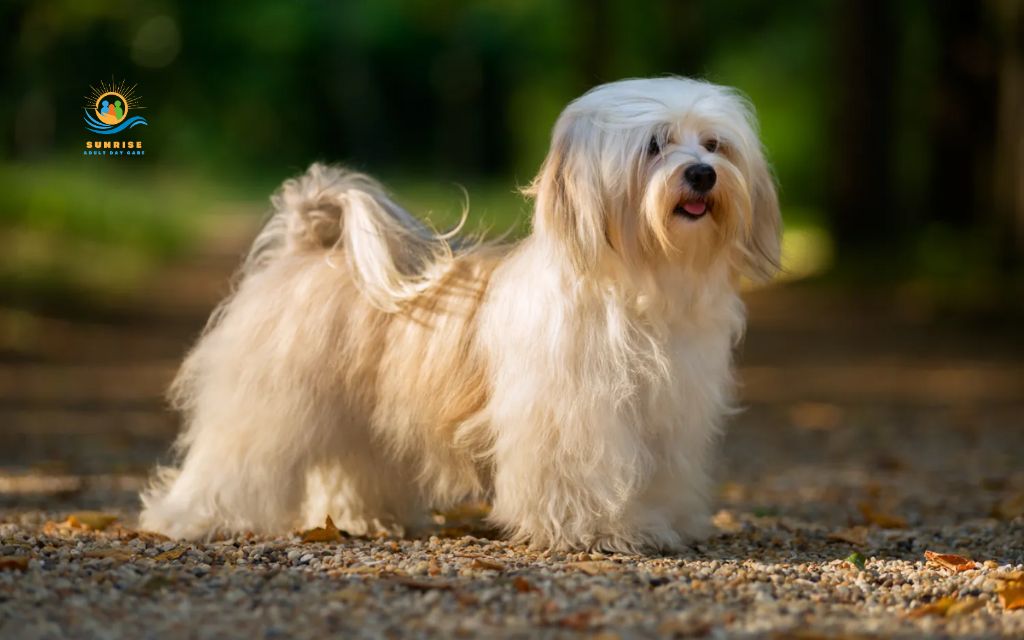
El habanero es el perro nacional de Cuba y una de las razas más cariñosas y tranquilas que existen. Disfrutan mucho de la interacción con las personas y se adaptan bien a diferentes entornos, desde casas hasta apartamentos pequeños. Los habaneros son dóciles, fáciles de adiestrar y no requieren mucho ejercicio diario; por lo general, basta con un paseo corto y un rato de juego en casa. Su pelaje suave y sedoso se cae poco, pero es recomendable cepillarlo con regularidad para evitar que se enrede.
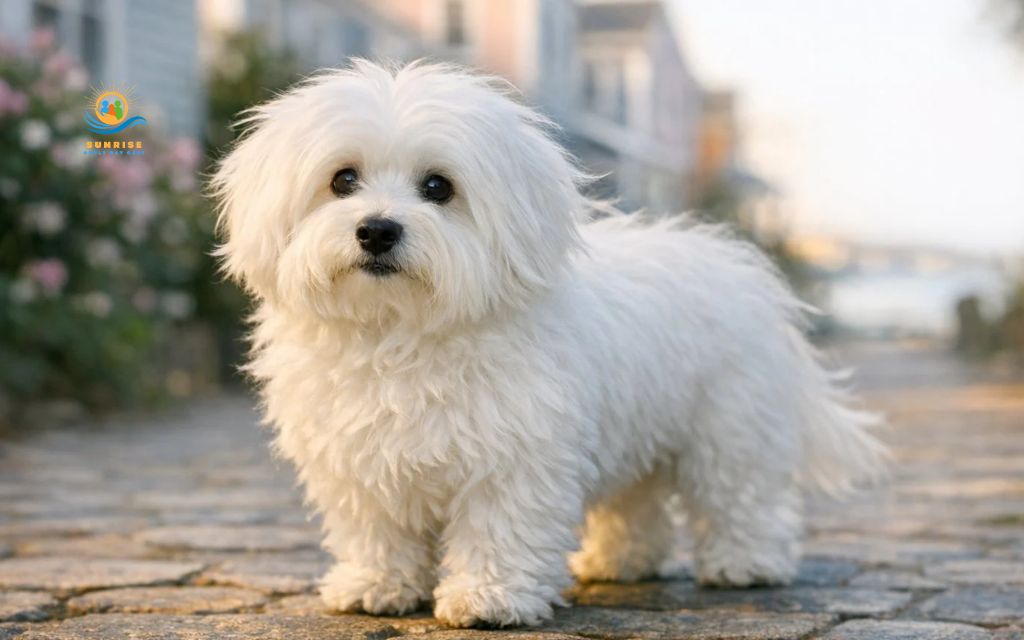
11. Coton de Tuléar
El Coton de Tuléar, que recibe su nombre de la ciudad de Tuléar, en Madagascar, es un perro pequeño y de pelaje suave como el algodón, con un carácter tranquilo y cariñoso. Se adapta fácilmente, es gentil con las personas mayores y se siente a gusto con una rutina diaria relajada.
Los cotones sueltan poco pelo y tienen un carácter juguetón, pero sin llegar a ser demasiado activos. Para las personas mayores que buscan un compañero especialmente tranquilo y de carácter dulce, el Coton de Tuléar es una opción excelente.
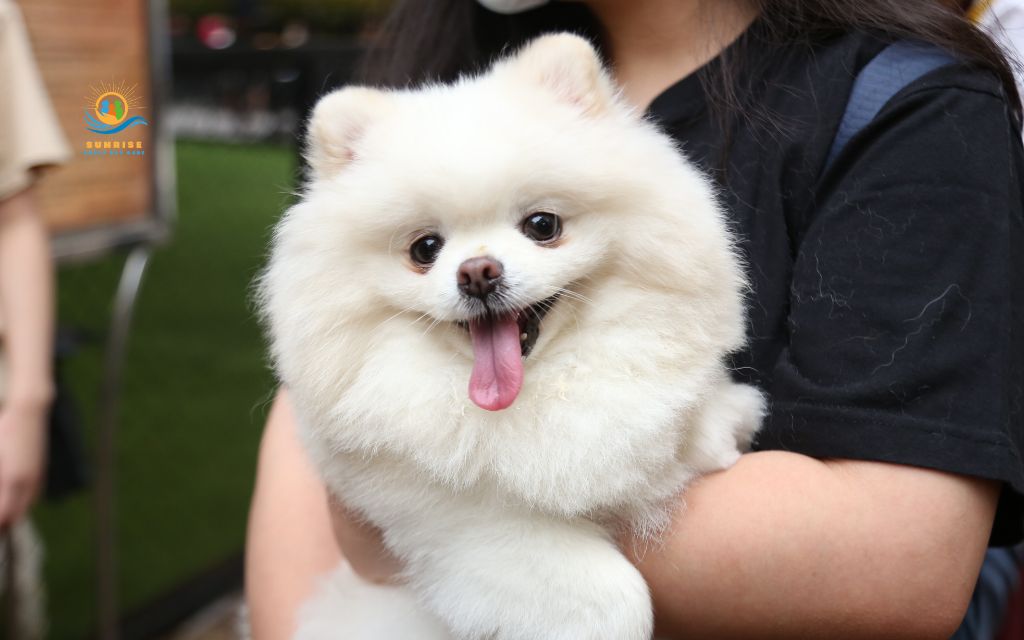
12. Pomerania
Los pomeranos son perros pequeños, inteligentes y llenos de energía que aportan vitalidad y personalidad a cualquier hogar. Con un peso de entre 1,3 y 3,2 kg, son muy fáciles de manejar físicamente. Disfrutan de los paseos cortos y los juegos interactivos, pero sus necesidades de ejercicio son moderadas. Las personas mayores que buscan un compañero más activo suelen encontrar en el pomerano una compañía ideal. Su denso pelaje doble requiere un cepillado regular, pero mudan el pelo de forma moderada y no necesitan baños frecuentes.
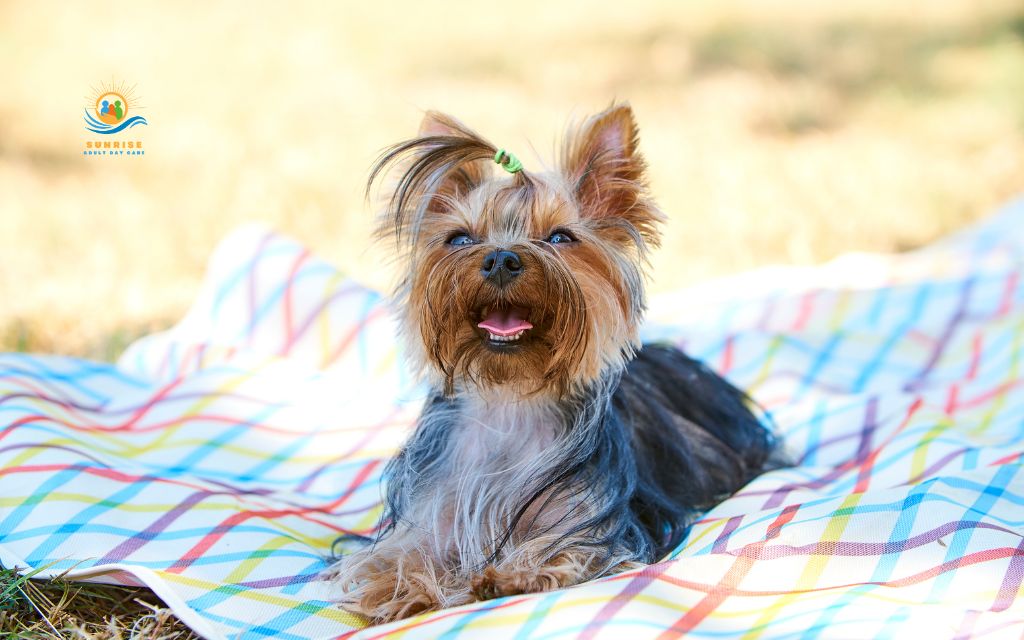
13. Yorkshire Terrier
El Yorkshire Terrier es pequeño, leal y muy adaptable. Establece fuertes vínculos con sus dueños y es conocido por su carácter vivaz, aunque manejable. Los Yorkies tienen un pelaje fino y sedoso que requiere un cepillado regular, aunque muchos dueños simplifican su cuidado optando por un corte más corto. Como una de las razas de perros pequeños más populares entre las personas mayores, el Yorkshire Terrier combina eficazmente el cariño con la independencia.
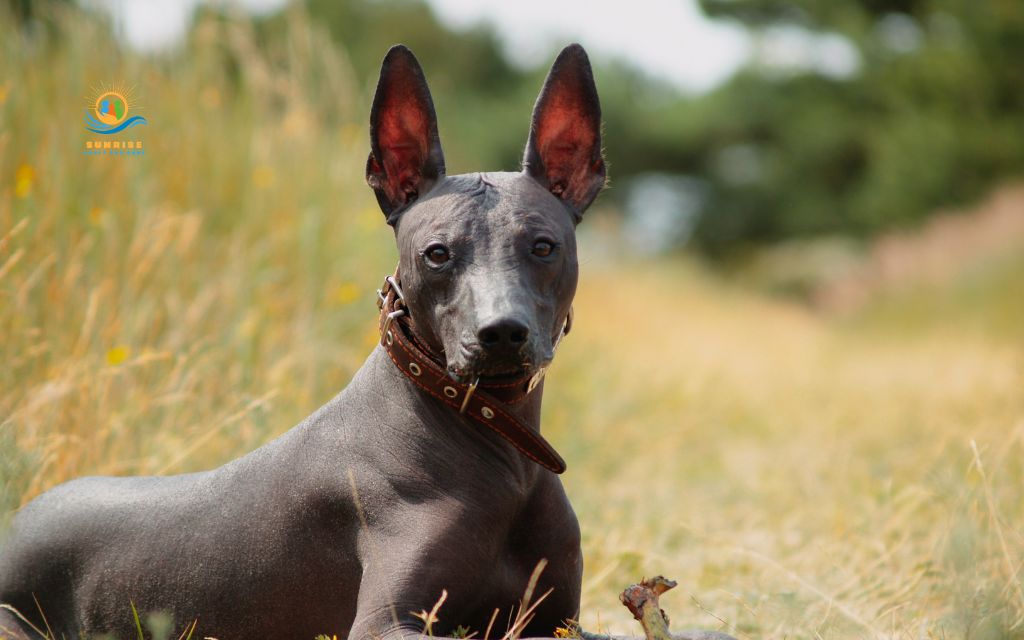
14. Terrier americano sin pelo
Para las personas mayores con alergias o hipersensibilidades, el American Hairless Terrier es una opción práctica y cariñosa. Como su nombre indica, esta raza tiene muy poco o ningún pelaje, lo que significa que no suelta pelo y requiere un cuidado mínimo. Son perros juguetones, curiosos e inteligentes que responden bien al adiestramiento.
Una cosa a tener en cuenta: al carecer de pelaje, necesitan protección contra el sol y el frío. Un suéter ligero para perros en invierno es una solución sencilla que a la mayoría de los dueños les resulta fácil de manejar.
Razas de perros de tamaño mediano para personas mayores
Algunas personas mayores prefieren un perro un poco más grande, con algo más de presencia y un temperamento dócil y equilibrado. Las siguientes razas de perros de tamaño mediano se encuentran entre las mejores opciones para las personas mayores que buscan un compañero tranquilo pero seguro de sí mismo.
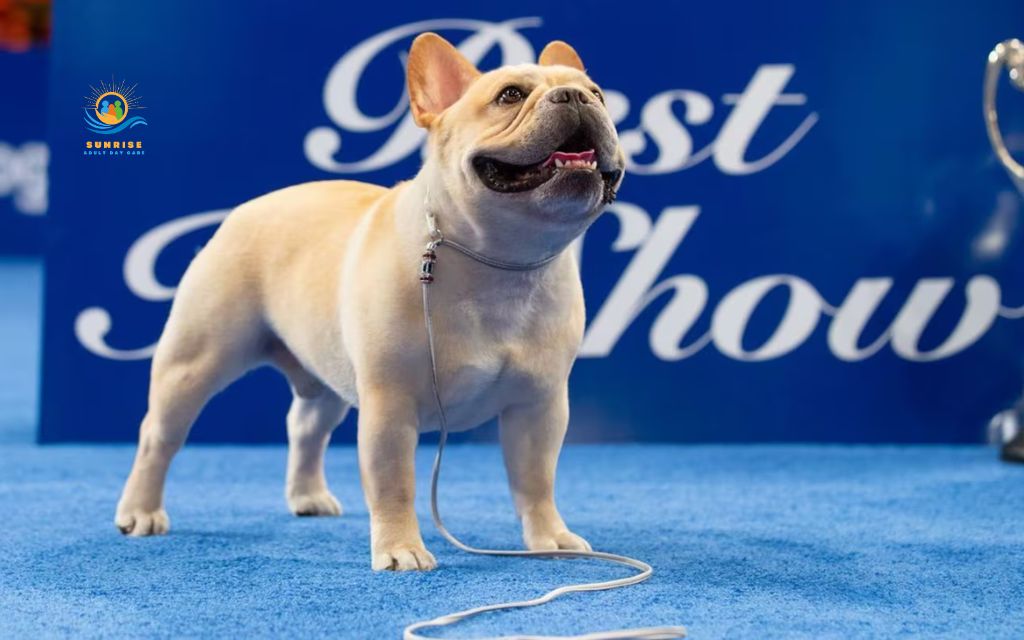
15. Bulldog francés
El bulldog francés se ha convertido en una de las razas más populares del mundo. Estos perros son compactos, tranquilos y genuinamente cariñosos. Requieren muy poco ejercicio, lo que los hace ideales para personas mayores con movilidad reducida. Son tranquilos (rara vez ladran en exceso), se adaptan bien a la vida en un departamento y se sienten felices pasando la mayor parte del tiempo cerca de su dueño.
Al igual que otras razas de hocico chato, los bulldogs franceses deben ser vigilados durante el celo y pueden presentar problemas respiratorios, por lo que es importante que reciban atención veterinaria.
16. Boston Terrier
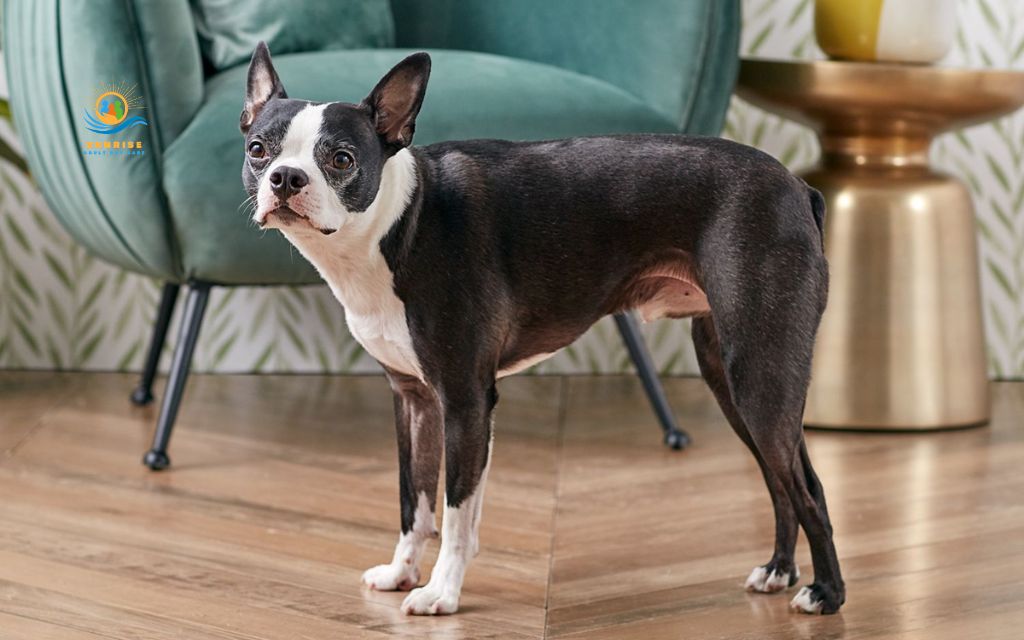
El Boston Terrier es un perro amistoso, educado y muy adaptable que se adapta a diversos estilos de vida de las personas mayores. Son perros dóciles, cariñosos y fáciles de controlar con la correa.
A los Boston Terriers se les suele llamar “el caballero estadounidense” por su pelaje, que recuerda a un esmoquin, y su porte elegante. Sus necesidades de ejercicio son moderadas: por lo general, basta con un paseo diario de 20 minutos. Son uno de los perros de tamaño mediano más fáciles de adiestrar de esta lista, lo que los convierte en una opción siempre acertada entre las razas de perro recomendadas para personas mayores.
17. Cocker spaniel
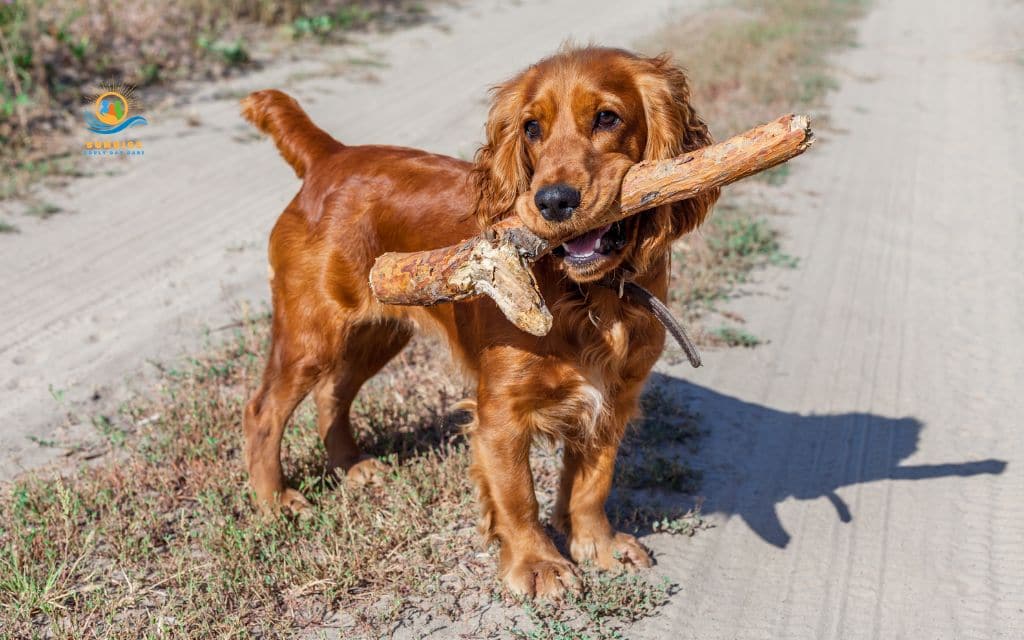
El cocker spaniel es una raza cariñosa, dócil y profundamente afectuosa que se nutre del contacto con las personas. Son perros maravillosos para brindar apoyo emocional a las personas mayores que han sufrido soledad, pérdidas o la carga emocional que conlleva el envejecimiento.
A los cocker spaniels les gusta dar paseos diarios moderados y se adaptan bien tanto a casas como a apartamentos más grandes. Su hermoso pelaje, con aspecto de plumas, requiere un cepillado regular y un aseo profesional de vez en cuando, lo cual conviene tener en cuenta al calcular el presupuesto para su mantenimiento.
Para las personas mayores que buscan un compañero verdaderamente fiel, el cocker spaniel es la opción ideal.
18. Schnauzer miniatura
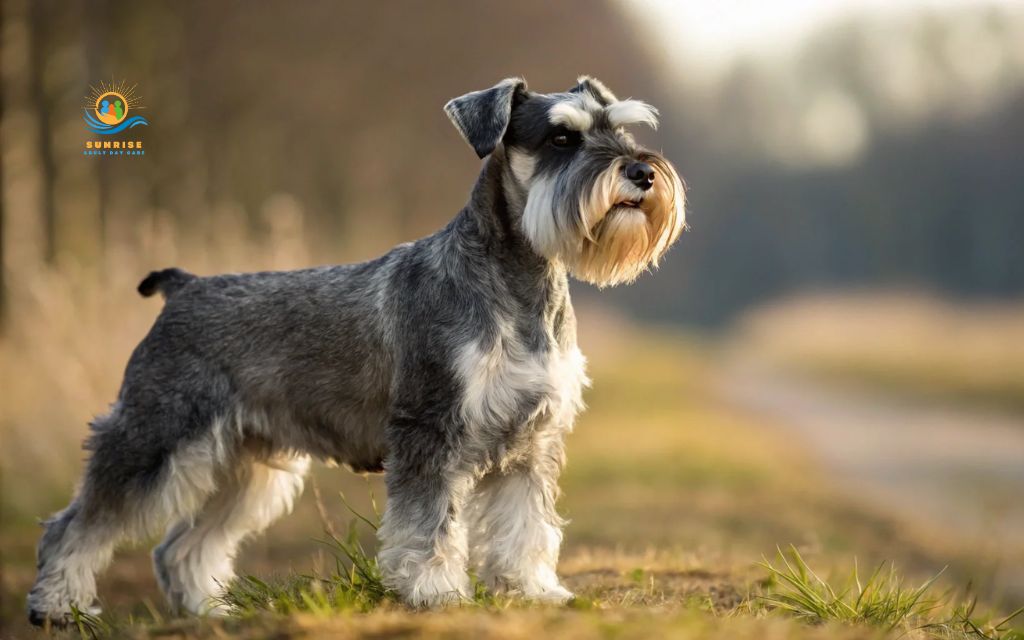
El schnauzer miniatura es un perro inteligente, robusto y lleno de energía, mucho más fácil de manejar que su primo de tamaño estándar. Son perros alertas sin ser nerviosos, leales sin ser pegajosos y lo suficientemente inteligentes como para aprender rápidamente las rutinas del hogar.
Los schnauzer miniatura tienen un pelaje característico y áspero que requiere un corte regular, pero pierden muy poco pelo. Son una opción muy recomendable para personas mayores activas que buscan un perro con un poco más de personalidad.
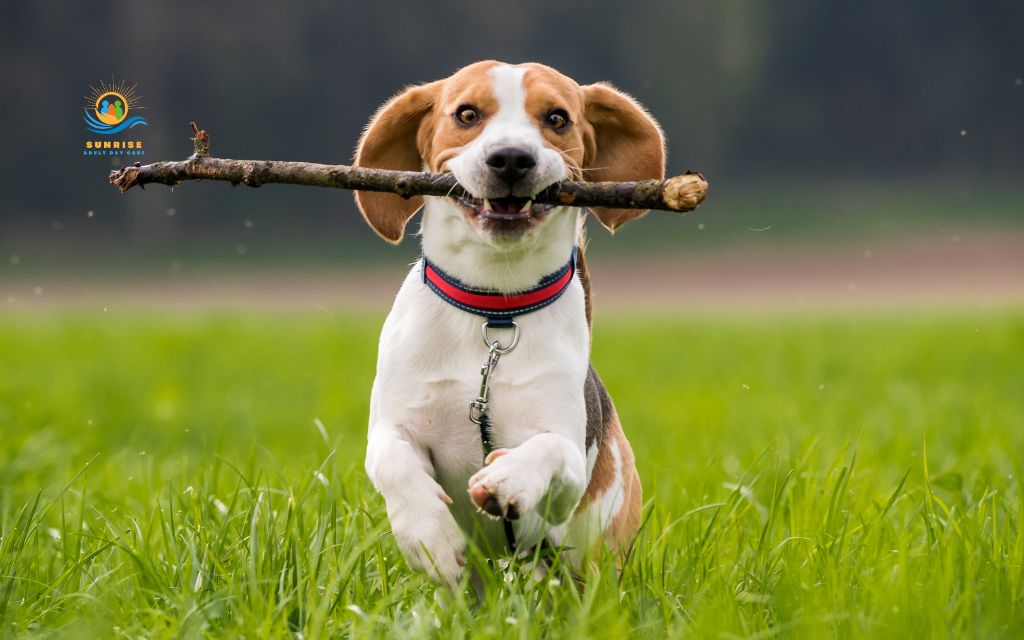
19. Beagle
Los beagles son perros sociables, de carácter equilibrado y genuinamente amigables. Necesitan paseos regulares y estimulación mental, por lo que un beagle es la mejor opción para personas mayores con energía constante y un espacio exterior cercado.
Los beagles tienen un olfato muy desarrollado y pueden sentirse tentados a escaparse, por lo que es importante que se les mantenga con correa y que haya vallas seguras. Para las personas mayores activas, el beagle ofrece una compañía alegre y cariñosa.
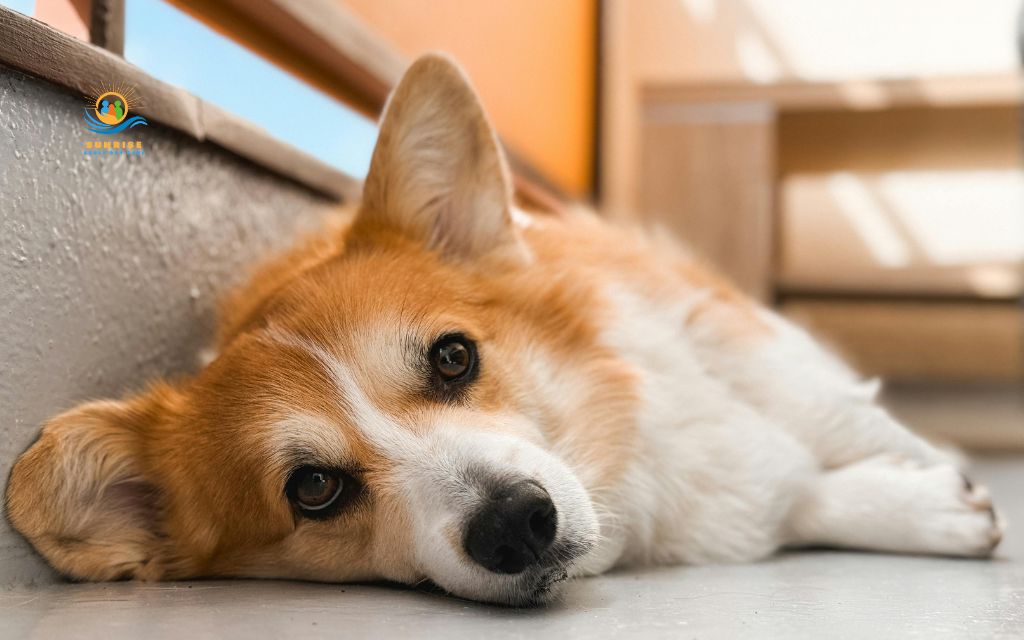
20. Corgi galés de Pembroke
El corgi galés de Pembroke es una raza inteligente, leal y moderadamente activa, ideal para personas mayores a las que les gusta mantenerse razonablemente activas.
Los corgis son cariñosos con sus familias y se adaptan bien a diferentes entornos. Necesitan paseos diarios y algo de estimulación mental, por lo que son ideales para personas mayores que puedan mantener una rutina constante.
Su nivel de energía moderado y su tamaño manejable los convierten en una de las opciones más equilibradas entre las mejores razas de perros para personas mayores.
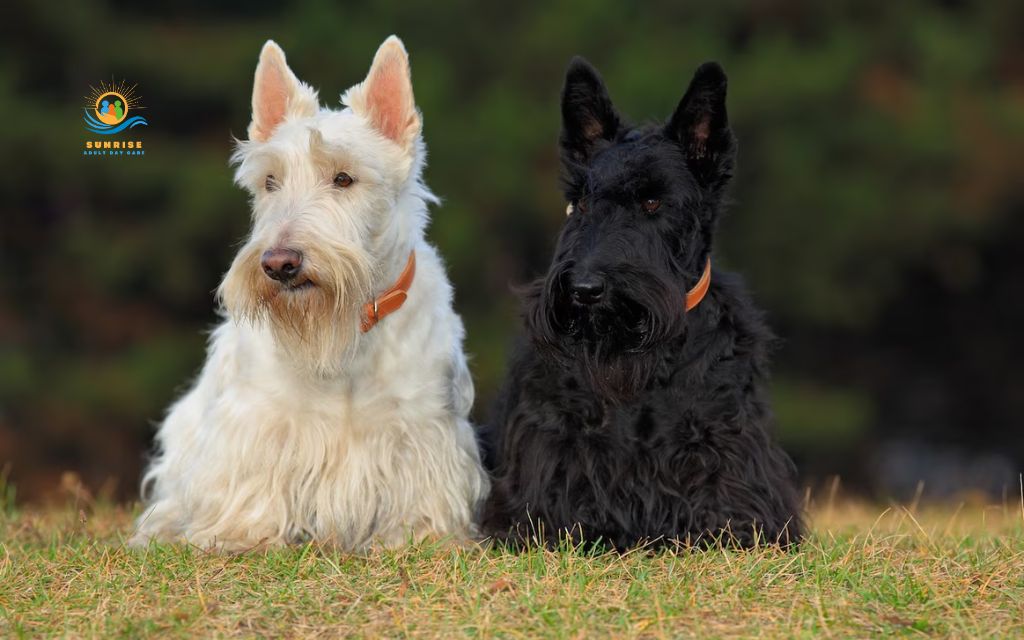
21. Scottish Terrier
El Scottish Terrier es un perro de tamaño pequeño a mediano, seguro de sí mismo, digno y algo independiente, que se caracteriza por su sorprendente tranquilidad en casa. Los Scotties son leales a sus familias, relativamente tranquilos en casa y no exigen atención constante.
Disfrutan de un paseo diario, pero no son perros muy activos. Su pelaje áspero requiere un corte profesional cada pocos meses. El Scottish Terrier es ideal para personas mayores que prefieren un compañero independiente con una personalidad fuerte y tranquila.
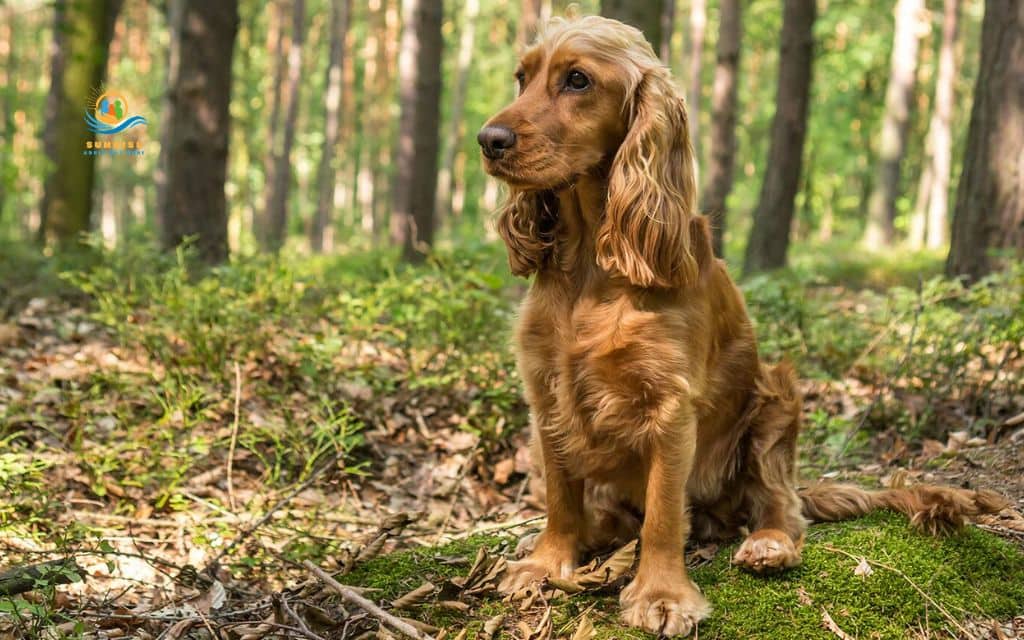
22. Cocker spaniel inglés
El cocker spaniel inglés es ligeramente más grande que la variedad estadounidense, pero no por ello menos dócil ni cariñoso. Son perros muy sociables, de temperamento tranquilo, y se desarrollan mejor cuando reciben un trato amable y constante por parte de las personas.
Al igual que su homólogo estadounidense, los cocker spaniels ingleses requieren un aseo regular y disfrutan de una cantidad moderada de ejercicio diario. Para las personas mayores que buscan una raza con un carácter tranquilo y cariñoso y una personalidad que antepone a las personas, el cocker spaniel inglés es una opción muy recomendable.
Razas grandes pero dóciles
A veces se pasa por alto a los perros de gran tamaño cuando se habla de las mejores razas para personas mayores, pero algunas de estas razas son sorprendentemente tranquilas, dóciles y fáciles de manejar en el interior. Las personas mayores que siempre han tenido perros grandes, o que viven en casas espaciosas, pueden encontrar una excelente opción entre las siguientes.
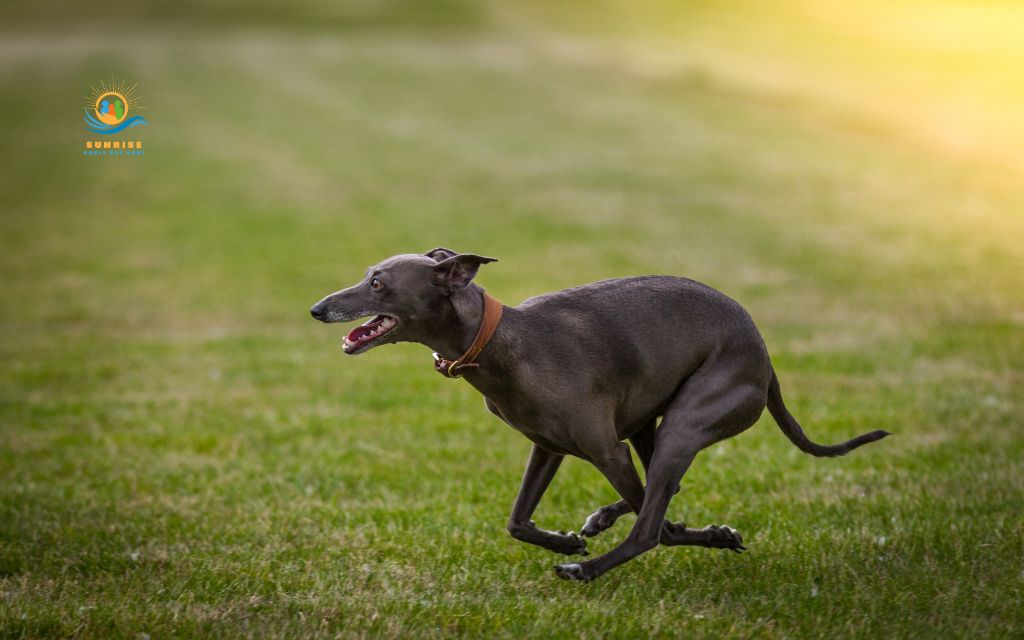
23. Galgo
He aquí una sorpresa: el galgo es también uno de los más tranquilos. A los galgos se les conoce como “teleadictos a 72 km/h” porque, a pesar de su velocidad, pasan la mayor parte del tiempo durmiendo y descansando.
Necesitan dar uno o dos paseos diarios de corta o media duración, pero en casa son tranquilos, silenciosos y no dan mucho trabajo. Muchos de los galgos que están en adopción son perros de carreras retirados que ya son adultos tranquilos y sociables.
Para las personas mayores que buscan un compañero de gran tamaño pero tranquilo, el galgo es una opción realmente subestimada.
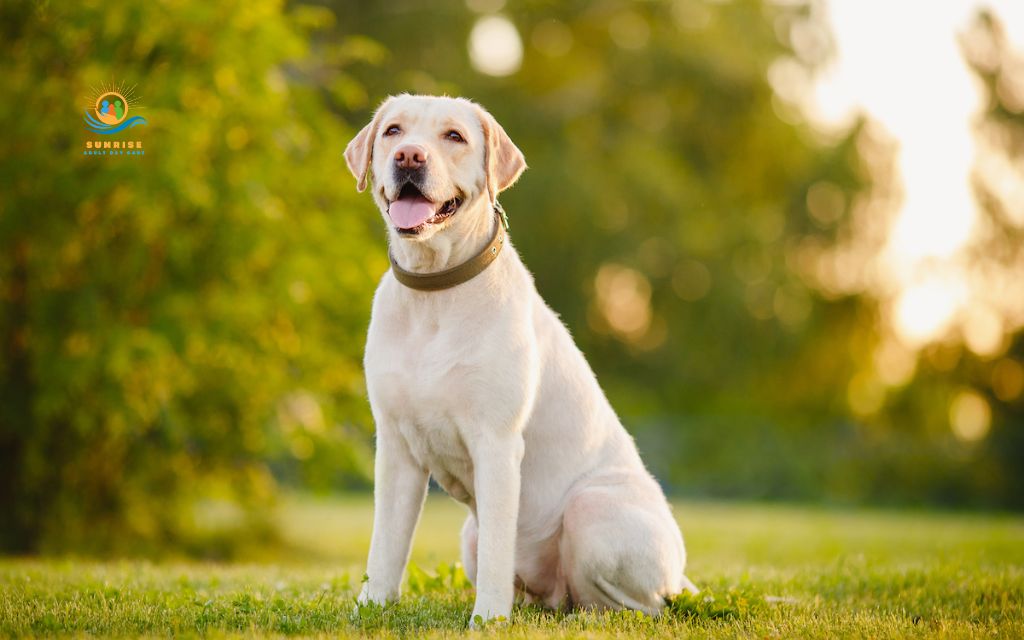
24. Labrador retriever (mayor o adoptado)
Los labradores retrievers son famosos por ser amigables, pacientes y dóciles, cualidades que los convierten en excelentes compañeros.
Sin embargo, los labradores jóvenes tienen mucha energía y pueden resultar difíciles de manejar con seguridad para muchas personas mayores. La recomendación principal es adoptar un labrador retriever mayor o adulto, cuya energía se haya estabilizado de forma natural.
Un labrador de entre 4 y 7 años sigue teniendo calidez, cariño y una fuerza apacible, pero sin el entusiasmo desbordante de un cachorro. Los labradores son ideales para personas mayores activas que puedan realizar paseos regulares y dispongan de espacio suficiente para un perro de gran tamaño.
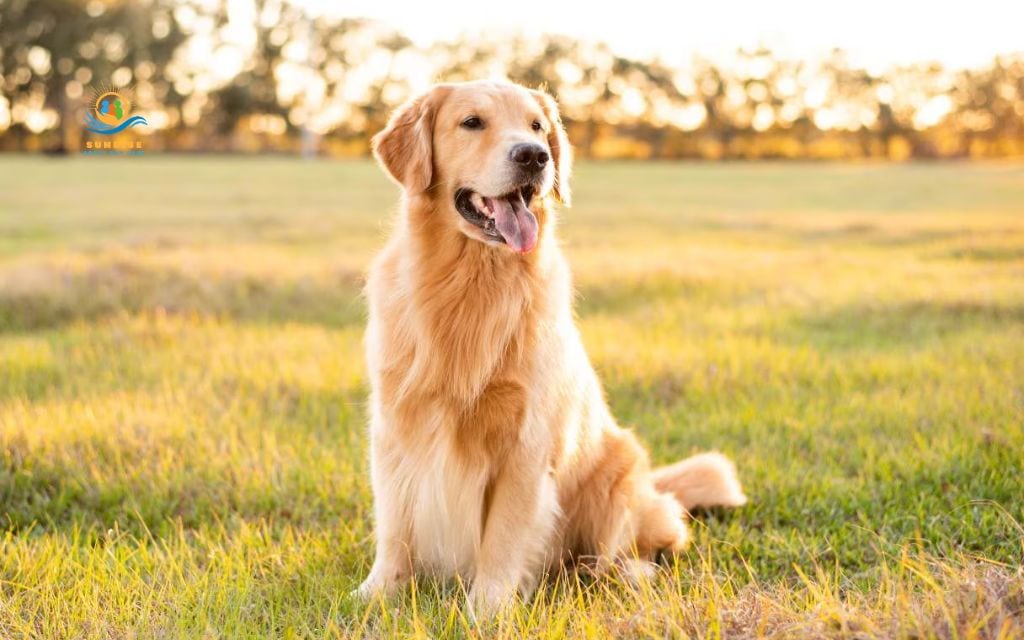
25. Golden Retriever (mayor o adoptado)
El golden retriever es una de las razas de perros más queridas del mundo, y su carácter dócil, paciente y comprensivo los convierte en compañeros excepcionales para las personas mayores que se enfrentan a la soledad, el duelo o los retos emocionales del envejecimiento.
Al igual que con los labradores, adoptar un golden retriever adulto o mayor es la opción más práctica para la mayoría de las personas mayores. Los goldens mayores son más tranquilos, más fáciles de manejar durante los paseos y, a menudo, agradecen enormemente un hogar tranquilo y lleno de cariño. Se encuentran entre las mejores razas de perros para personas mayores que dan prioridad a la conexión emocional.
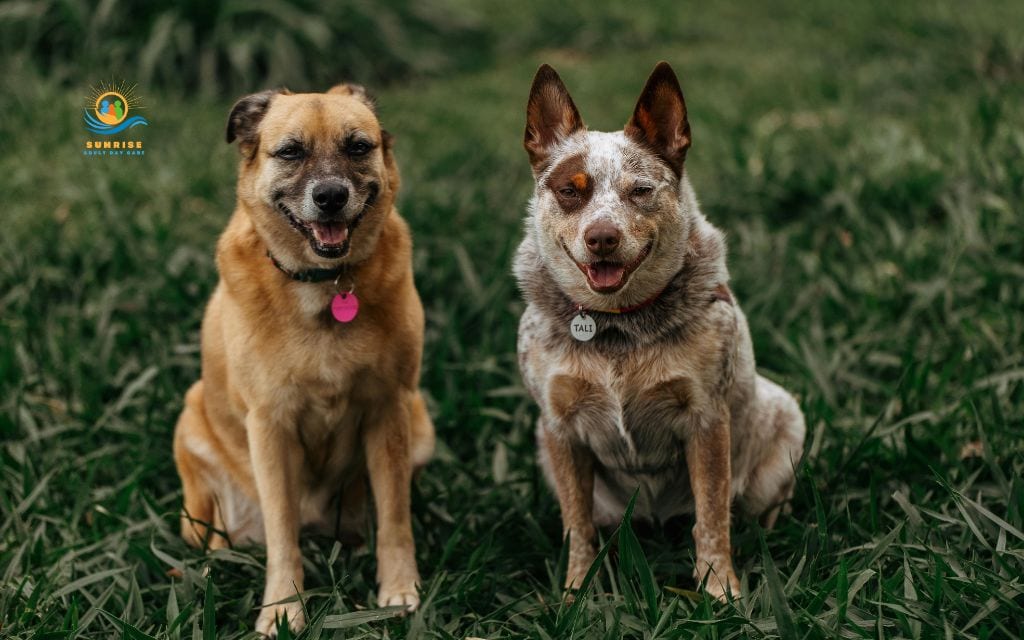
26. Perros de rescate de raza mixta
Los perros de rescate de raza mixta son una de las opciones más versátiles y menos valoradas para las personas mayores.
Cuando adoptas un perro adulto de raza mixta de un refugio o una organización de rescate, el personal suele poder describir con precisión el temperamento, el nivel de energía y las preferencias del perro, información que resulta más difícil de predecir en el caso de los cachorros de raza pura.
Los perros adultos rescatados suelen ser más tranquilos, ya están domesticados y se muestran sinceramente agradecidos por tener un hogar estable. Se pueden adaptar al estilo de vida, al nivel de movilidad y a las condiciones de vida de una persona mayor. Para las personas mayores que estén dispuestas a adoptar, un perro rescatado puede ser el compañero más adecuado de todos.
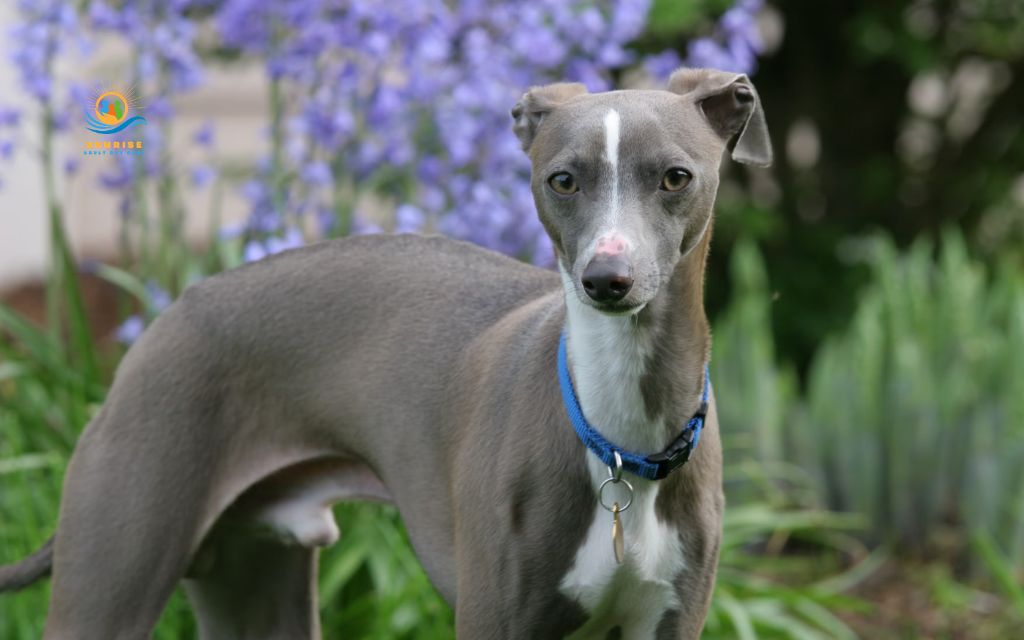
27. Galgo italiano
El galgo italiano es el primo más pequeño y elegante del galgo estándar, con un peso de entre 3 y 6 kilos. Son perros dóciles, tranquilos y cariñosos, sin ser exigentes, y sus necesidades de ejercicio son menores de lo que cabría esperar.
A los galgos italianos les gustan los paseos cortos y pasar mucho tiempo descansando en un lugar cálido y cómodo. Son perros sensibles que responden bien a un trato cariñoso, lo que los hace ideales para hogares tranquilos.
Su pelaje corto y liso no requiere cuidados especiales, lo cual supone una ventaja práctica para muchas personas mayores.
Ver más: Actividades al aire libre para adultos
Cómo las mascotas contribuyen a un envejecimiento saludable
Los beneficios de tener un perro van mucho más allá de la simple compañía. Las investigaciones demuestran que tener un perro favorece un envejecimiento saludable en múltiples aspectos del bienestar.
Salud emocional
Los perros ofrecen una compañía fiel y sin prejuicios, algo que cobra cada vez más valor a medida que las personas mayores envejecen y sus redes sociales se reducen de forma natural. Diversos estudios han demostrado que las personas mayores que tienen mascotas presentan menores índices de soledad y depresión.
El simple hecho de acariciar a un perro reduce los niveles de cortisol y aumenta la oxitocina, la hormona del vínculo afectivo asociada con el bienestar y la tranquilidad. Para las personas mayores que viven solas, un perro puede cambiar radicalmente el estado emocional de su día a día.
Actividad física
Incluso los paseos diarios tranquilos con un perro pequeño animan a las personas mayores a mantenerse activas de forma constante. La actividad física regular favorece la salud cardiovascular, mantiene la flexibilidad de las articulaciones y contribuye a dormir mejor.
Las personas mayores que pasean a sus perros tienden a mantener niveles de actividad más constantes que aquellas que carecen de motivación para salir a caminar. Los mejores perros de compañía para las personas mayores les brindan un motivo sencillo y sin presiones para salir a la calle todos los días.
Rutina y propósito
Los perros necesitan que se les alimente, se les saque a pasear y se les cuide a horas fijas, y esa rutina les da un propósito diario. Para los jubilados que han perdido el punto de referencia que suponía la vida laboral, un perro les proporciona un ritmo diario significativo. Este sentido de propósito y responsabilidad se ha relacionado con un mayor compromiso cognitivo y una mayor satisfacción general con la vida en las personas mayores.
Consejos sobre la adopción para personas mayores
Cuando llegue el momento de dar la bienvenida a un perro a tu hogar, estos consejos prácticos te ayudarán a elegir bien y a empezar con buen pie esta relación.
Piensa en un perro adulto o de edad avanzada
Los cachorros son adorables, pero también exigen mucho: requieren adiestramiento frecuente, salidas para hacer sus necesidades y cuidados que pueden resultar agotadores tanto física como mentalmente. Los perros adultos y mayores ofrecen ventajas significativas:
- A menudo ya están domesticados, lo que reduce considerablemente el tiempo de adaptación
- Su nivel de energía se ha estabilizado, lo que hace que el cuidado diario sea más predecible
- Gracias a su temperamento bien definido, sabes exactamente lo que vas a recibir
- Muchos refugios y grupos de rescate buscan específicamente emparejar a perros adultos con personas mayores que deseen adoptarlos
Conoce primero al perro
Nunca adoptes un perro sin pasar primero un tiempo con él. Durante tu visita, presta atención a lo siguiente:
- Comportamiento tranquilo y amable
- Una reacción cordial ante tu presencia, sin saltar ni tirar de la correa con demasiada fuerza
- Fácil manejo
Haz las preguntas adecuadas
Tanto si adoptas de un refugio, una organización de rescate o un criador de confianza, pregunta siempre por:
- Nivel de energía: ¿Se describe a este perro como tranquilo, de energía moderada o muy activo?
- Historial médico: ¿Padece alguna enfermedad crónica, toma algún medicamento de forma habitual o tiene alguna intervención prevista?
- Necesidades de aseo: ¿Con qué frecuencia, qué grado de complejidad y cuáles son los costos continuos?
- Comportamiento con otras personas: ¿Se lleva bien el perro con los desconocidos? ¿Se siente cómodo cuando lo tocan?
En Sunrise Adult Daycare, sabemos que el bienestar de las personas mayores va más allá de la salud física. Nuestro programa diurno para adultos apoya a las personas mayores mediante actividades sociales estructuradas, programas de bienestar y una atención diaria llena de cariño, lo que proporciona a los adultos mayores la participación que necesitan y ofrece tranquilidad a los cuidadores familiares.
Si está cuidando a un padre mayor o a un ser querido, nos encantaría hablar con usted. Llámenos al 03-226-6882 para obtener más información.
Conclusión
A la hora de elegir las mejores razas de perro para personas mayores, lo que realmente importa es la compatibilidad, la seguridad y una autoevaluación sincera, y no qué raza es más popular o más fotogénica. El perro ideal para una persona jubilada que vive en un departamento en Denver será muy diferente del perro ideal para una pareja de personas mayores activas que tiene un patio cercado.
Lo más importante es encontrar un compañero que se adapte a tu vida cotidiana: a tu nivel de energía, a tu situación de vivienda, a tu presupuesto y a tu necesidad de rutina y de conexión emocional. Con una planificación cuidadosa y la elección adecuada, un perro puede aportar auténtica alegría, un sentido a la vida y calidez a los años que tienes por delante.
Preguntas frecuentes (FAQ)
¿Cuál es la mejor raza de perro para las personas mayores?
A menudo se recomiendan razas pequeñas y tranquilas, como el Cavalier King Charles Spaniel, el Shih Tzu y el Pug, ya que son dóciles, fáciles de manejar y se adaptan bien a rutinas diarias más tranquilas.
¿Son los perros pequeños más adecuados para las personas mayores?
En general, sí. Los perros pequeños son más fáciles de controlar con la correa, más sencillos de levantar si es necesario y se adaptan mejor a la vida en un departamento o en una casa pequeña, lo que los convierte en una opción práctica para la mayoría de las personas mayores.
¿Deberían las personas mayores adoptar un cachorro o un perro adulto?
Los perros adultos suelen ser la mejor opción. Son más tranquilos, a menudo ya están domesticados, y su temperamento ya consolidado elimina las incertidumbres que conlleva criar a un cachorro.
¿Cuál es la raza de perro más fácil de cuidar para una pareja de personas mayores?
Las razas tranquilas y cariñosas, como el bulldog francés o el cavalier king charles spaniel, suelen ser ideales para parejas mayores, ya que ofrecen cariño y compañía sin exigir un ejercicio excesivo ni cuidados complejos.
¿Son los perros una buena opción para las personas mayores que viven solas?
Sí. Los perros ofrecen compañía diaria, rutina, consuelo emocional y un estímulo suave para mantenerse activos, aspectos todos ellos especialmente valiosos para las personas mayores que viven solas.