
Dizziness is one of the most common health complaints among older adults, affecting nearly 30% of people over age 65. While the sensation itself can feel alarming, understanding what’s happening and knowing when to seek help can transform anxiety into informed action.
For retired individuals and caregivers, dizziness in seniors isn’t just uncomfortable – it carries real consequences. Falls remain the leading cause of injury among older adults, and dizzy spells significantly increase that risk.
This article will help you understand the different types of dizziness, recognize the most common causes of vertigo in seniors, identify red-flag symptoms that require immediate medical attention, and discover what you can do right now to stay safer.
You deserve to move through your day with confidence. Let’s start by understanding what’s really happening when dizziness strikes.
Understanding dizziness & related terms
Before we explore causes and solutions, it helps to understand what we mean by “dizziness”.
What is dizziness?
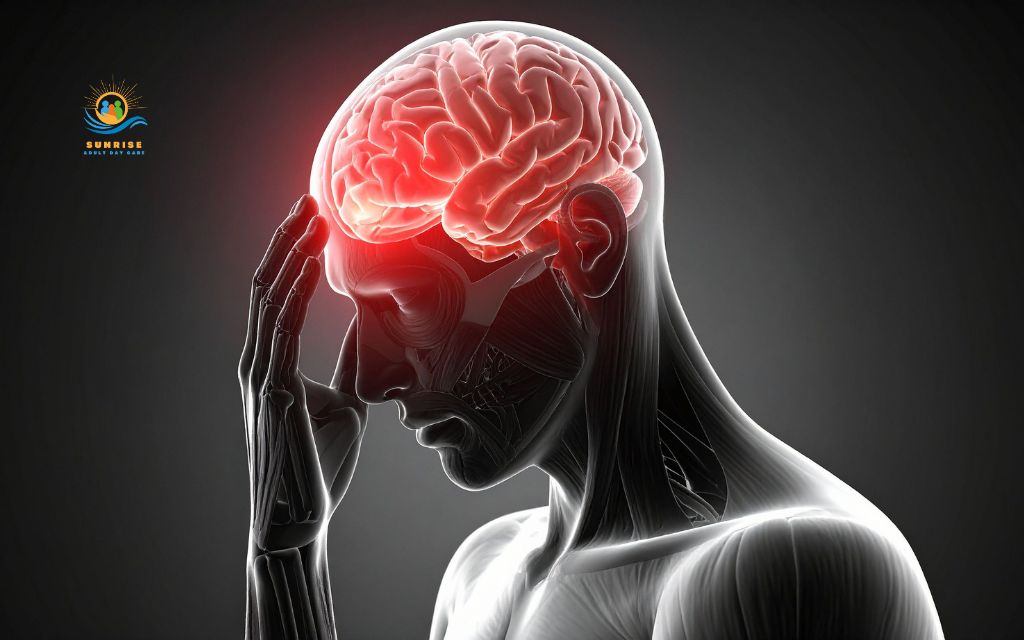
Dizziness is a general term describing various sensations of imbalance or disorientation.
When you tell your doctor “I feel dizzy,” you might be experiencing lightheadedness, a spinning sensation, unsteadiness while walking, or a combination of these feelings.
Medical professionals use this umbrella term to begin narrowing down potential causes, which is why they’ll often ask you to describe exactly what you’re feeling.
What is vertigo?
Vertigo is a specific type of dizziness characterized by a false sensation of movement, typically spinning or rotating. With true vertigo, you might feel like the room is whirling around you, or that you’re moving when you’re actually still.
This spinning sensation often indicates an inner ear problem, though not always. Vertigo elderly causes differ from general dizziness and typically point toward balance system issues rather than blood pressure or medication problems.
Lightheadedness vs imbalance vs vertigo vs unsteadiness
Understanding these distinctions helps both you and your healthcare provider identify the root cause more quickly:
Lightheadedness feels like you might faint or pass out. You may feel woozy, weak, or like your vision is tunneling. This sensation often relates to blood flow issues – standing too quickly, dehydration, or cardiovascular concerns. In older people, lightheadedness in elderly individuals frequently occurs when transitioning from sitting to standing.
Vertigo creates that distinctive spinning or rotating sensation mentioned above. The world seems to move even when you’re perfectly still. This almost always points to inner ear or balance nerve problems.
Imbalance means feeling unstable or uncoordinated when moving. You might sway, veer to one side, or feel like you’re going to fall even though you’re not spinning or lightheaded. This often relates to problems with proprioception (your body’s position sense), vision, or muscle strength.
Unsteadiness is similar to imbalance – a general feeling of being off-kilter or insecure while walking or standing. You might reach for walls or furniture more often, or notice your gait has changed.
Many older adults experience combinations of these sensations, which makes sense given that balance depends on multiple body systems working together. Your inner ears, eyes, muscles, joints, and brain all contribute to keeping you stable and oriented.
Why dizziness happens in seniors
Here’s an important truth: most dizziness in older people has multiple overlapping causes rather than a single culprit. Your balance system is complex, involving coordination between your inner ears, vision, proprioception (position sense from muscles and joints), cardiovascular system, and brain. As we age, changes in any of these areas can trigger dizzy spells.
Inner ear & balance system issues
Your inner ear houses the vestibular system – tiny structures filled with fluid and hair-like sensors that detect head position and movement. When these structures malfunction, balance problems and vertigo often follow.
Benign Paroxysmal Positional Vertigo (BPPV) is the single most common cause of vertigo in seniors. “Benign” means it’s not dangerous, “paroxysmal” means it comes in sudden episodes, and “positional” means it’s triggered by specific head movements.
BPPV occurs when tiny calcium crystals in your inner ear become dislodged and drift into the wrong canal, sending false movement signals to your brain.
You’ll typically notice BPPV when:
- Rolling over in bed
- Looking up at a high shelf or the ceiling
- Bending forward to tie shoes or pick something up
- Tilting your head back at the hair salon
Meniere’s disease is less common but more complex. It involves fluid buildup in the inner ear and causes episodes of intense vertigo lasting hours, often accompanied by hearing loss, tinnitus (ringing), and ear fullness. While less frequent in seniors than BPPV, it remains a possible cause of severe dizzy spells.
Labyrinthitis and vestibular neuritis involve inflammation of inner ear structures or the vestibular nerve, often following a viral infection. These conditions can cause sudden, severe vertigo that may last days, along with nausea and balance problems. Recovery can take weeks, though vestibular rehabilitation therapy speeds improvement.
Circulation & Blood Pressure
How blood flows to your brain directly impacts whether you feel steady or dizzy. Several circulation-related issues become more common with age.
Orthostatic hypotension (also called postural hypotension) is one of the most frequent causes of dizziness in the elderly. This condition involves a sudden drop in blood pressure when you stand up quickly. Your heart normally compensates when you change position, but aging can slow these reflexes. Medications, dehydration, and certain health conditions make orthostatic hypotension worse.
Cardiovascular conditions affect blood flow throughout your body, including to your brain. Conditions like atrial fibrillation (irregular heartbeat), heart valve problems, or reduced cardiac output can all cause dizzy spells in older people. When your heart isn’t pumping efficiently, your brain may not receive steady oxygen and nutrient delivery, triggering lightheadedness or unsteadiness.
Narrowed blood vessels (atherosclerosis) can reduce circulation to the brain or inner ear structures, contributing to both dizziness and balance problems. This becomes especially important if you have diabetes, high cholesterol, or a history of cardiovascular disease.

Medication side effects
Medications are among the most overlooked causes of vertigo in older women and men alike. If you take multiple medications, your risk of dizziness increases substantially.
Medications commonly associated with dizziness include:
- Blood pressure medications lower blood pressure by design, but sometimes they work too well, causing lightheadedness, especially when standing. This includes ACE inhibitors, beta-blockers, calcium channel blockers, and diuretics (water pills).
- Sedatives and sleep medications like benzodiazepines, certain antihistamines, and sleeping pills can cause morning dizziness, unsteadiness, and increased fall risk.
- Antidepressants and anti-anxiety medications, particularly older tricyclic antidepressants and some SSRIs, list dizziness as a common side effect.
- Diabetes medications can cause dizziness if they lower blood sugar too much.
- Pain medications, especially opioids and muscle relaxants, frequently cause lightheadedness and balance problems.
- Anticonvulsants used for nerve pain or seizures may cause dizziness, particularly when starting or adjusting doses.
Dehydration & nutrition
Older adults face higher dehydration risk for several reasons: reduced thirst sensation, medications that increase urination, and sometimes mobility challenges that make getting drinks more difficult. Even mild dehydration reduces blood volume, making dizzy spells in elderly individuals more likely, especially when standing.
Low blood sugar (hypoglycemia) also triggers lightheadedness, shakiness, and confusion. This is important for people with diabetes taking insulin or certain oral medications. Skipping meals, eating too little, or timing mismatches between medications and meals can all cause problematic blood sugar drops.
Chronic health issues
Several ongoing health conditions contribute to what causes dizziness in the elderly:
Diabetes affects balance through multiple mechanisms: blood sugar fluctuations, nerve damage (neuropathy) that impairs position sense in feet and legs, and increased risk of cardiovascular problems affecting circulation.
Anemia (low red blood cell count or hemoglobin) reduces oxygen delivery to all tissues, including the brain. This often causes lightheadedness, weakness, and fatigue. Anemia in older adults can result from nutritional deficiencies (iron, B12, folate), chronic disease, or internal bleeding.
Thyroid disorders—both underactive (hypothyroidism) and overactive (hyperthyroidism)—can cause dizziness along with other symptoms. Thyroid problems become more common with age and are easily overlooked.
Parkinson’s disease and other neurological conditions affect movement, balance, and blood pressure regulation, all of which contribute to increased dizziness and fall risk.
Aging of balance & movement systems
Even in healthy aging, several systems naturally decline, increasing vulnerability to dizziness in the elderly:
- Vision changes are nearly universal. Reduced depth perception, decreased contrast sensitivity, cataracts, glaucoma, and macular degeneration all compromise your ability to use visual cues for balance. When you can’t see the ground clearly or judge distances accurately, your brain has less information to keep you stable.
- Proprioception decline means reduced sensation in feet and joints. Proprioception is your body’s GPS – telling your brain where your limbs are in space without looking. Arthritis, neuropathy, and normal aging all diminish this critical feedback system.
- Muscle strength and flexibility loss make it harder to catch yourself if you start to fall. Weaker core and leg muscles provide less stable support, and reduced flexibility limits your ability to make quick corrective movements.
- Reaction time slowing means your body responds more slowly to balance challenges. While you might eventually correct a wobble or misstep, the delay increases fall risk.
Common dizziness symptoms seniors may notice
Dizziness in seniors manifests in various ways. Recognizing your specific symptom pattern helps you communicate effectively with healthcare providers and track changes over time.
- Spinning sensations: The room appears to rotate or whirl around you, even when you’re completely still. This spinning may intensify with head movement and often comes with nausea. Vertigo episodes can be brief or prolonged.
- Lightheaded or faint feeling: You feel like you might pass out, even if you never actually do. This sensation often accompanies standing up, physical exertion, or dehydration. Your vision might briefly dim or “tunnel,” and you may feel weak or unsteady.
- Unsteadiness or feeling like you’re about to fall: You sense instability when walking or standing, even without spinning or lightheadedness. You might sway, veer to one side, or reach for support more often than you used to. This feeling can be constant or come and go.
- Nausea or weakness with dizziness: Many people experience stomach upset, sweating, or generalized weakness during dizzy episodes. Severe vertigo in particular often triggers intense nausea.

Red flags – When dizziness could be serious
If you’re experiencing frequent dizzy spells without emergency features, schedule a medical appointment soon. Don’t wait weeks or months. Persistent dizziness deserves proper evaluation, and many causes respond well to treatment once identified.
Call 911 or go to the emergency room immediately if dizziness occurs with any of the following:
Neurological red flags
- Sudden weakness or numbness on one side of the body: If one arm, leg, or side of your face suddenly feels weak, numb, or refuses to move normally alongside dizziness, this could indicate a stroke. Every minute matters with stroke treatment.
- Slurred speech or trouble talking: Difficulty forming words, speaking clearly, or understanding others when combined with dizziness suggests possible stroke.
- Sudden confusion or trouble understanding: If you or someone with you suddenly seems confused, can’t understand simple questions, or appears disoriented beyond what dizziness alone would explain, seek emergency care.
- Vision changes: Double vision, blurred vision, or sudden vision loss occurring with dizziness can indicate stroke or other serious neurological problems.
Cardiac red flags
- Chest pain or tightness: Dizziness combined with chest discomfort, pressure, or pain spreading to your arm, jaw, or back could signal a heart attack or serious cardiac event.
- Shortness of breath or irregular heartbeat: If you’re suddenly struggling to breathe, your heart is racing irregularly, or you feel your heart “skipping beats” along with dizziness, this requires urgent evaluation. Atrial fibrillation and other arrhythmias can cause stroke risk and need prompt treatment.
Other urgent signs
- Fainting or syncope: If you actually lose consciousness (not just feel like you might), this warrants emergency evaluation even if you quickly recover.
- Severe headache: A sudden, intense headache occurring with dizziness could indicate bleeding in the brain or other serious conditions.
Dizziness in seniors – What to do right now
When dizziness strikes, knowing what to do immediately can prevent falls and help symptoms pass more quickly. These practical strategies work whether you’re at home, at an adult day program, or anywhere else.
Immediate safety
Sit or lie down until the sensation passes: Don’t try to “push through” dizziness or vertigo. Find a safe place to rest immediately. If you’re standing, carefully lower yourself to a chair or the floor rather than risk falling. If spinning sensations are severe, lying down with your eyes closed often helps.
Slowly change positions: Quick movements trigger or worsen many types of dizziness. When moving from lying to sitting, or sitting to standing, pause at each stage. Sit on the edge of the bed for 30 seconds before standing. This gives your cardiovascular system time to adjust.
Hold onto stable surfaces when moving: Use chairs, counters, walls, or handrails for support. Having contact with stable objects provides your nervous system with additional balance information and can prevent falls if unsteadiness occurs.
Hydration & diet
Sip water regularly throughout the day: Don’t wait until you feel thirsty. Keep water within easy reach and take small sips frequently. If plain water feels boring, try flavored water, herbal tea, or broth. Aim for light-colored urine as a hydration marker.
Small snacks if dizziness might be linked to low blood sugar: Keep simple snacks available – crackers, fruit, cheese, nuts. If you have diabetes or tend toward low blood sugar, eating small amounts every few hours helps maintain stable levels. Never skip breakfast, even if you’re not hungry.
Home safety
Clear clutter and rugs: Remove tripping hazards from walkways. Secure or eliminate throw rugs that can slide or catch your feet. Create clear paths through every room.
Add grab bars and handrails: Install grab bars in bathrooms near toilets and in showers or tubs. Ensure handrails are present on both sides of stairways. These simple additions provide crucial support during dizzy episodes.
Simple balance tips
Pause before standing: Whether you’ve been sitting in a chair or lying in bed, always pause for a moment before standing fully. This gives your blood pressure time to adjust and reduces orthostatic hypotension risk.
Wear sturdy shoes: Even at home, avoid walking in socks, slippers without backs, or bare feet. Shoes with non-slip soles and good support improve stability and reduce fall risk. Save the high heels for special occasions, if at all.
When to call your doctor
Contact your healthcare provider soon if:
- Dizziness happens frequently or is getting worse
- You’ve had a fall or near-fall because of dizziness
- Dizziness interferes with your daily activities
- You notice new symptoms or patterns
- Over-the-counter remedies and self-care aren’t helping
Most primary care doctors can begin evaluation and refer you to specialists if needed. You might see an ear, nose, and throat specialist (ENT/otolaryngologist) for inner ear issues, a cardiologist for heart-related concerns, or a physical therapist for vestibular (balance) rehabilitation.

How adult day programs can help
If you attend an adult day health program or are considering one, know that these environments offer significant advantages for managing dizzy spells in elderly participants:
- Monitoring and observation: Trained staff notice patterns in when and how dizziness occurs, information that helps with medical evaluation.
- Medication management: Programs ensure medications are taken correctly and on schedule, reducing risks from missed doses or timing problems.
- Hydration support: Staff encourage regular fluid intake throughout the day, and meals provide opportunities for adequate nutrition.
- Safe environments: Day programs are specifically designed with fall prevention in mind—clear pathways, grab bars, appropriate lighting, and accessible seating.
- Supervised activities: Exercise and movement programs can include balance training, strength building, and gentle activities that improve stability over time, all under professional supervision.
- Social engagement: Mental stimulation and social connection improve overall health and well-being, which indirectly supports better balance and reduced dizziness for some individuals.
_____________________
At Sunrise Seniors Daycare in Denver, Colorado, we understand that managing dizziness and fall prevention requires more than just medical appointments.
Our adult daycare program provides supervised care where staff monitor for dizzy spells, ensure proper hydration and medication schedules, and create fall-safe spaces with grab bars, clear pathways, and accessible seating.
Through gentle balance activities, regular check-ins, and immediate response when symptoms occur, we help older adults maintain independence while reducing the anxiety that comes with managing dizziness alone.
Contact us today to learn how our compassionate team can provide the structured support and peace of mind your family deserves.
Conclusion
Dizziness in seniors is common and manageable once you understand its causes and know when to seek help. While dizzy spells can feel frightening, most stem from treatable conditions.
Taking immediate safety steps – sitting down when dizziness strikes, staying hydrated, rising slowly, and making home modifications – can significantly reduce your fall risk and improve your confidence.
Start today by tracking your symptoms, discussing concerns with your doctor, and implementing the practical strategies outlined in this article to regain your stability and independence.
Frequently asked questions (FAQs)
Is dizziness in seniors always serious?
No, most dizziness in older adults is not life-threatening and stems from common, manageable causes like BPPV, medication effects, or blood pressure changes. However, seek emergency care immediately if dizziness occurs with stroke symptoms (weakness, slurred speech, facial droop), severe chest pain, or loss of consciousness.
What is the most common cause of vertigo in seniors?
Benign Paroxysmal Positional Vertigo (BPPV) is the most frequent cause of vertigo in older adults, triggered by specific head movements like rolling over in bed or looking up. Physical therapy maneuvers often resolve BPPV successfully without medications or surgery.
When should an elderly person go to the ER for dizziness?
Go to the ER or call 911 if dizziness comes with stroke warning signs (slurred speech, one-sided weakness, confusion, vision problems), chest pain or tightness, severe shortness of breath, irregular heartbeat, fainting, or the worst headache of your life.
What can help dizziness fast at home?
Sit or lie down immediately, drink water, avoid quick position changes, and hold onto stable furniture when moving. If low blood sugar is suspected, eat a small snack. For persistent or frequent episodes, schedule a doctor’s appointment for proper evaluation.
Who should seniors see for ongoing dizzy spells?
Start with your primary care physician, who can review medications, order initial tests, and assess for common causes. They may refer you to an ENT specialist for inner ear problems, a cardiologist for heart-related concerns, or a physical therapist for vestibular rehabilitation therapy depending on findings.