
If you have noticed that your body smells a little different than it used to, you are not imagining it, and you are certainly not alone. Body odor as you get older is one of the most common changes adults experience after 60, yet it is rarely talked about openly.
Many older adults notice a new scent on their skin or clothing that was simply not there in their younger years. The change can be subtle at first but over time it may become more noticeable on clothing, bedding, or in close social settings.
The impact is real. Feeling self-conscious about body odor can lead to embarrassment in social situations, reduced confidence in group activities or community programs, and a quiet worry that something might be physically wrong. Some people withdraw from friends and activities they once enjoyed simply because of this concern.
This article is here to reassure you. This guide explains clearly why body odor changes with age, what “nonenal” is and why it forms, how to build a simple senior-friendly hygiene and laundry routine, and when it is worth calling your doctor.
Knowledge and a few practical steps make a significant difference.
Does body odor change with age?
Short answer: Yes, and it is entirely normal.
As the body ages, multiple systems shift simultaneously. Skin chemistry changes, hormone levels fluctuate, and the way the body produces and breaks down natural oils evolves over time. Together, these shifts alter the way a person naturally smells.
This is not a sign of neglect or poor hygiene. It is biology.
What is “nonenal”?
One of the key reasons body odor changes with age involves a compound called 2-nonenal (often referred to simply as nonenal). Here is what you need to know:
- Nonenal is a natural chemical compound that the body produces more of after approximately age 40, with levels increasing further into the 60s and beyond.
- It forms when certain fatty acids in skin oils break down through a process called oxidation, similar to how cooking oil can go slightly rancid over time.
- Nonenal has a distinctive scent that is often described as musty, slightly grassy, or faintly waxy.
- Standard soap and water do not break it down as effectively as it breaks down other types of body odor.
Nonenal-related odor is not a sign of poor hygiene. It is a physiological change that occurs in virtually everyone as they age. Awareness of it can make a meaningful difference.

Why body odor changes after 60: Common causes
Most body odor changes in older adults are caused by normal aging combined with everyday habits and circumstances. Understanding the sources helps target the right solutions.
Skin chemistry changes
As people age, the skin becomes thinner and the balance of natural oils shifts. The sebaceous glands which produce skin oil change their output over time.
This altered oil composition is directly linked to increased nonenal production, which is the primary driver of the distinctive odor change many older adults experience.
The skin’s microbiome, the community of bacteria that live on the skin’s surface, also shifts with age, contributing to how odors develop and linger.
Hormonal changes
Hormones play a significant role in how the body smells, and they change considerably as people age. Female body odor changes with age are particularly notable during and after menopause.
Lower estrogen levels affect skin bacteria populations and alter the composition of oils the skin produces, both of which influence the scent of the body.
Men also experience hormonal shifts as testosterone declines, although changes are often more gradual.
Medications
Many older adults take one or more daily medications, and some of these can affect body odor. Certain antibiotics, antidepressants, and blood pressure medications can alter the composition of sweat or change how the body metabolizes compounds, resulting in a noticeable odor change. If you recently started a new medication and noticed a coinciding odor change, it is worth mentioning to your prescribing physician.
Reduced bathing frequency
There are legitimate, practical reasons why some older adults bathe less frequently than they once did. Fear of falling in the shower or tub, limited mobility, chronic pain that makes bathing physically difficult, or skin sensitivity that makes frequent washing uncomfortable are all real barriers.
When bathing becomes less frequent or less thorough, odor-causing bacteria and skin oils have more opportunity to build up, particularly in warm skin folds.
Laundry and fabric issues
Clothing and bedding are often overlooked contributors to body odor.
- Synthetic fabrics, such as polyester and nylon, trap odor molecules more readily than natural fibers like cotton or linen.
- Clothing that is not dried completely after washing can harbor mildew.
- Detergent residue left in fabric from undiluted or overused products can also contribute to persistent odors.
These laundry-related factors compound with skin-related changes and can make the overall odor change feel more significant than it actually is.

When the change in body odor as you get older may signal a medical issue
Most of the time, a body odor change as you get older is nothing more than a normal part of aging. However, certain types of odor changes can occasionally point to an underlying health condition that deserves medical attention.
| Condition | Associated Odor Change |
| Diabetes (uncontrolled) | Sweet, fruity, or acetone-like scent |
| Kidney disease | Ammonia-like odor, especially on the breath or skin |
| Liver disease | Musty or fishy-smelling odor |
| Skin infections | Strong, localized smell near a wound or skin fold |
| Poorly controlled incontinence | Persistent urine odor despite hygiene efforts |
Call a clinician if you notice:
- A sudden, strong change in body odor that appears without an obvious cause
- Odor changes that come alongside unexplained weight loss, fatigue, increased confusion, or changes in urine color
- Body odor that persists despite consistent, improved hygiene practices
- Skin redness, open sores, or signs of a fungal infection in body folds or the groin area
The reassurance remains: the vast majority of odor changes in older adults are harmless and manageable. But sudden or extreme changes deserve a conversation with your doctor or care team. Early attention to these signals protects your health and your peace of mind.
What helps: A simple daily routine for older adults
The most effective approach to managing body odor change is a consistent, senior-friendly hygiene routine that fits comfortably into daily life.
Morning routine
Wash priority areas first
Use a mild, gentle soap to wash the underarms, groin area, and any skin folds (under the breasts, around the abdomen, or the neck area) each morning. These areas are warmest and most prone to odor-causing bacterial activity.
Use antibacterial soap strategically
An antibacterial body wash used two to three times per week (not every day unless your dermatologist advises otherwise) can help reduce odor-causing bacteria without over-drying or irritating aging skin.
Dry skin completely
This step is critical and frequently overlooked. Use a soft towel to gently but thoroughly dry all skin folds after bathing. Moisture trapped in folds creates ideal conditions for bacterial and fungal growth, which intensifies odor. A hairdryer set on the lowest, coolest setting can help reach difficult areas safely.
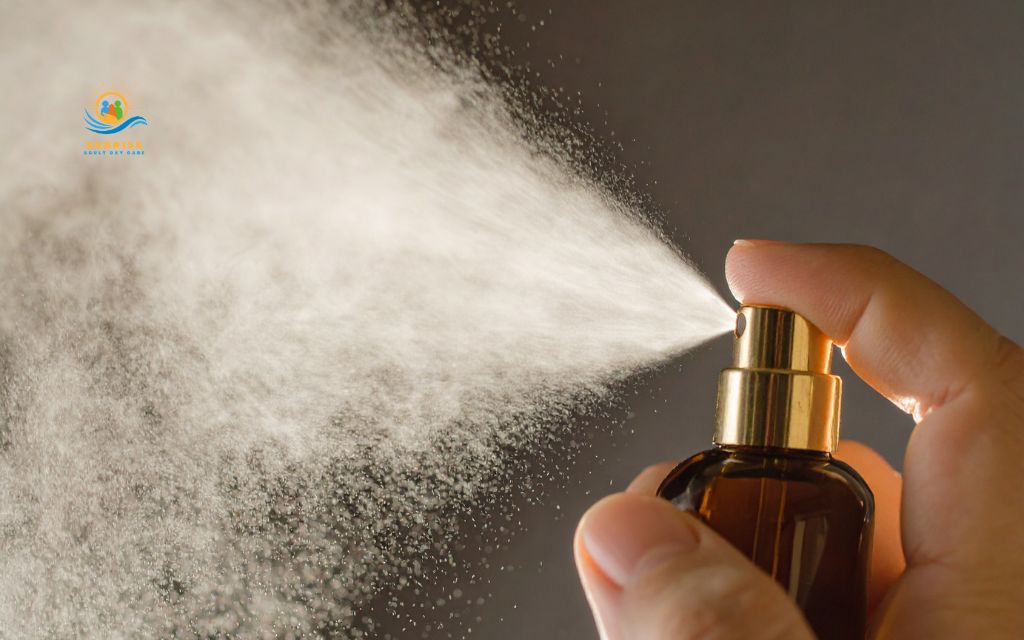
Apply deodorant or antiperspirant
Aluminum-based antiperspirants reduce the amount of sweat produced, which helps limit odor. Natural or aluminum-free deodorants are an option for those with sensitive skin, though they may require more frequent reapplication throughout the day. Apply to clean, dry skin for best results.
Choose breathable clothing
Dress in natural fibers – especially cotton – whenever possible. Cotton allows airflow and does not trap odor molecules the way synthetic fabrics do. Loose-fitting clothing reduces friction and allows skin to stay drier throughout the day.
Evening routine
Change underwear and socks daily: Fresh undergarments each evening or morning is one of the most effective and simple habits for odor management.
Light sponge bath on non-shower days: On days when a full shower or bath is not feasible, a warm, damp washcloth used to clean the underarms, groin, and any skin folds provides meaningful freshness without requiring the full effort or safety risks of a shower.
Wash the face and neck: The neck area, especially where skin folds or where hearing aids or jewelry sit, can accumulate oils and bacteria. A gentle cleanse each evening helps.
Moisturize dry skin: Well-moisturized skin has a healthier surface microbiome and experiences less cracking and irritation, both of which can contribute to localized skin odors. Use a fragrance-free moisturizer on arms, legs, and any areas prone to dryness.
On “no shower” days
For older adults with limited mobility, chronic pain, or fall risk concerns, full showering may not be possible every day. On these days, the warm washcloth method, also called a “bed bath” or “sponge bath”, is an effective alternative:
- Use a warm, damp washcloth with a small amount of mild soap
- Work methodically: face and neck first, then underarms, then the groin area, then skin folds
- Rinse each area with a clean damp cloth, then dry completely
- Safety setup matters: keep a non-slip bath mat accessible, have a steady chair or bench nearby, and ensure grab bars are available if needed
For individuals receiving care at home or in an adult day program, a caregiver or aide can provide respectful, privacy-preserving assistance with this routine.
Products that may help
The following general product categories are helpful. No specific brand endorsement is implied – look for the described characteristics at your local pharmacy or grocery store.
Soap and body wash
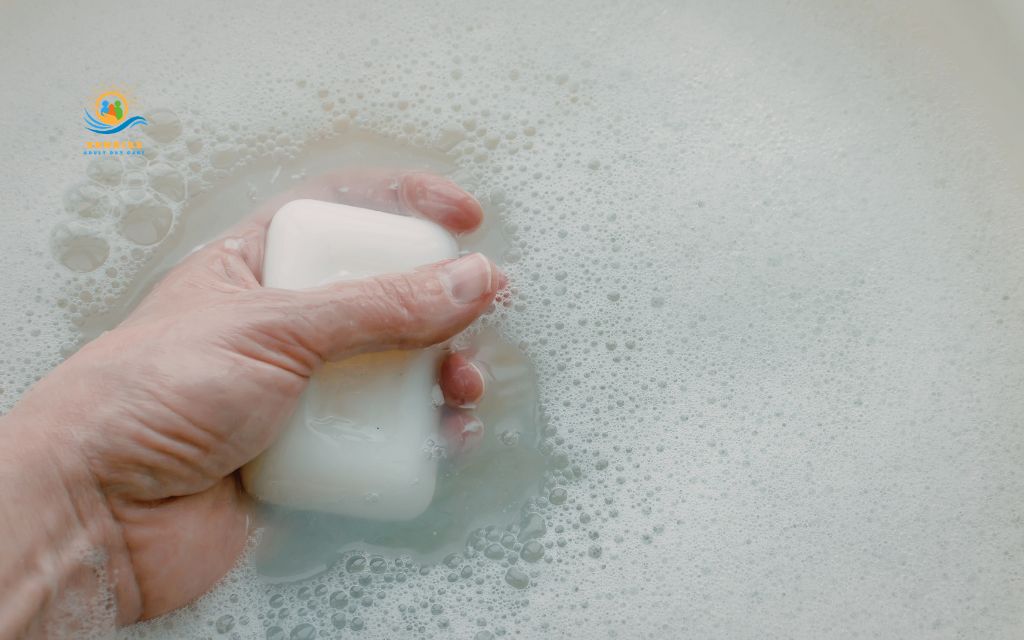
Choose mild, fragrance-free cleansers formulated for sensitive or mature skin. An occasional antibacterial wash (used two to three times weekly) helps manage odor-causing bacteria without stripping the skin’s natural protective oils.
Deodorant and antiperspirant
Aluminum-based antiperspirants are the most effective at reducing sweat and controlling odor. For those who prefer to avoid aluminum, natural deodorants can work but typically need reapplication during the day. Look for options labeled sensitive skin or fragrance-free to minimize irritation.
Body powder
Absorbent powders, particularly those designed for sensitive skin, help keep skin folds dry throughout the day, which reduces bacterial growth and odor. Avoid powders with talc near the groin area; cornstarch-based formulas are widely available as alternatives.
Laundry practices
- Wash clothing and towels frequently, especially items worn next to the skin
- Use a full rinse cycle to remove detergent residue thoroughly
- Ensure all laundry items are completely dry before storing
- Consider washing bedding weekly and pillowcases every few days
- Choose cotton or linen fabrics when purchasing new clothing
Diet and hydration
Adequate water intake helps the body flush metabolic waste and supports healthy skin. Certain foods, particularly garlic, onions, asparagus, and red meat, can intensify body odor for some people. This is not a reason to restrict nutrition without medical guidance, but it is useful information for individuals who notice correlations.
How adult day care and care teams can help
For older adults who participate in adult day programs, or who receive support from home health aides or family caregivers, the care team plays a meaningful role in maintaining hygiene comfort and social confidence.
Supportive hygiene assistance
A respectful, dignity-centered approach makes all the difference. Care teams can offer gentle reminders about hygiene routines without drawing attention in group settings, provide privacy-respecting assistance with bathing, dressing, and grooming, and ensure scheduled bathroom breaks that also allow for quick hygiene refreshes during the day.
At Sunrise Adult Daycare, our staff are trained to support participants’ personal care needs with warmth, discretion, and respect for individual preferences. We understand that these conversations require sensitivity, and we prioritize each person’s dignity above all.
For more information about our adult day program, contact us at 303-226-6882.
Laundry and clothing support
In care settings, regular clothing changes, clean activity garments, and proper laundering practices all contribute to participants feeling fresh and comfortable throughout the day. Families are encouraged to send participants in natural fiber, easy-care clothing.
Health monitoring
Care staff are well-positioned to notice changes that may warrant medical attention, including a sudden or unusual shift in a participant’s body odor. When these changes are observed alongside other symptoms such as confusion, visible skin irritation, or behavioral changes, communicating with family members or clinical contacts promptly is an important part of quality care.
Social confidence and emotional well-being
Structured social activities, group engagements, and a welcoming daily environment do more than fill time, they give older adults a reason to prioritize self-care and personal presentation. Research supports that social engagement supports emotional well-being, motivation for daily hygiene, and overall quality of life in older adults. At Sunrise Adult Daycare, our programming is designed to foster exactly this kind of positive, dignity-affirming community.
Conclusion
Body odor as you get older is common, understandable, and manageable. The shift is rooted in real biological changes, not poor hygiene or illness. Understanding why the odor change happens removes unnecessary shame and makes it far easier to address with confidence.
Small, consistent daily habits make a meaningful difference. A focused morning wash, complete skin-fold drying, breathable clothing choices, and thoughtful laundry practices together can dramatically reduce odor-related discomfort and restore the confidence to engage fully in social life.
If an odor change is sudden, strong, or accompanied by other symptoms like fatigue, unexplained weight loss, or skin sores, please speak with your doctor or care team. Most changes are entirely harmless but your health always deserves attention when something feels wrong.
You deserve to feel clean, comfortable, and confident at every age. With the right routine and the right support, that is fully within reach.
Frequently asked questions (FAQs)
Does body odor change with age?
Yes. Skin chemistry changes noticeably after age 40 to 60, driven largely by increased nonenal production and shifts in the skin’s bacterial environment, leading to a different natural scent than a person had in younger years.
Why does my body smell different even though I shower daily?
Nonenal – the compound responsible for much of age-related body odor – is not fully removed by standard soap and water. Hormonal changes also alter the skin’s bacterial balance, meaning odor can persist despite consistent hygiene habits.
Is body odor in older adults a sign of illness?
Usually no. The majority of odor changes with age are caused by normal physiological processes. However, sudden, strong, or unusual odor changes accompanied by other symptoms should be evaluated by a doctor to rule out conditions such as diabetes, kidney disease, or infection.
Why does female body odor change after menopause?
Lower estrogen levels associated with menopause alter both the composition of skin oils and the populations of bacteria on the skin’s surface. These combined changes shift how the body naturally smells, independent of hygiene practices.
What is the best way to reduce age-related body odor?
The most effective approach combines regular, gentle cleansing with a focus on skin folds, thorough drying after washing, the use of an appropriate deodorant or antiperspirant, breathable cotton clothing, and proper laundry care, including full rinse cycles and complete drying before storage.